
Precision Engineering and Auto Component Recruitment in Faridabad: Finding Skilled Manufacturing Talent
A small mistake in a machine setting can affect the quality of an entire batch of metal components. Similarly, an incorrect measurement can lead to rejected products, production delays and additional costs. This is why precision engineering companies need trained employees who understand machines, engineering drawings, measurements and quality standards.
The demand for precision engineering recruitment in Faridabad is closely connected to the city’s long-established manufacturing industry.
Faridabad has a strong industrial base in automobile parts, sheet metal, fabrication, forging, casting and light engineering. Businesses across these sectors manufacture components for vehicles, industrial equipment, electrical products and other engineering applications.
However, modern manufacturing requires more than general factory manpower. Companies need CNC operators, VMC programmers, tool-room technicians, production engineers, quality inspectors, maintenance professionals and experienced supervisors.
Each position has a different responsibility. For example, a CNC operator must understand machine operation, while a CNC programmer must prepare and adjust machining programmes. Likewise, a quality inspector needs to understand measurements, product drawings and acceptable tolerances.
Therefore, employers need a recruitment process that checks actual technical ability rather than relying only on job titles and years of experience.
This article explains Faridabad’s engineering manufacturing ecosystem, important job roles, hiring challenges and practical ways to find skilled employees for precision manufacturing businesses.
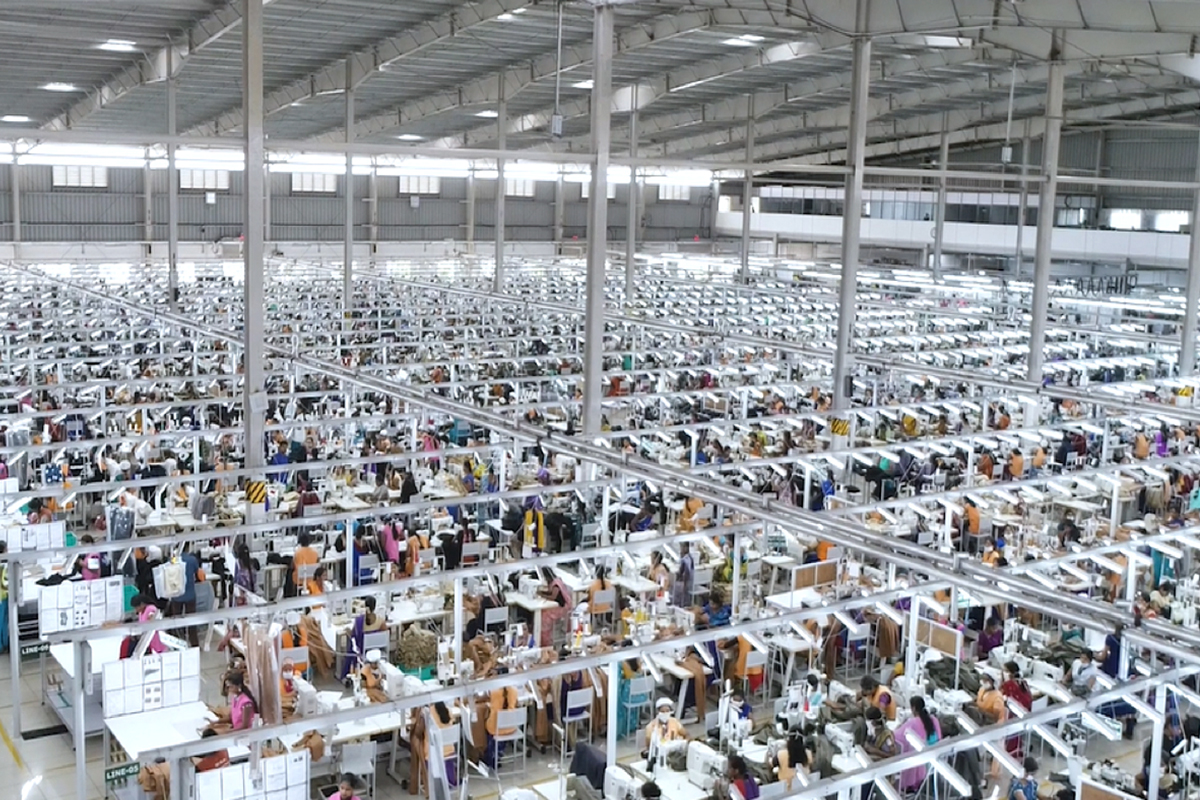
Why Precision Engineering Recruitment in Faridabad Matters
Faridabad is one of Haryana’s established industrial centres. Its manufacturing activities cover several connected industries, particularly automobile parts, sheet metal and fabrication.
According to the Bureau of Energy Efficiency’s Faridabad industrial cluster profile, automobile parts, sheet metal components and fabrication form major parts of the local manufacturing base.
The wider engineering sector also includes:
- Forging and metal forming
- Casting and foundry operations
- CNC machining
- Industrial fasteners
- Plastic and rubber components
- Heat treatment
- Surface finishing
- Railway equipment
- Machinery and industrial components
The Haryana Government’s public Central Inspection System also lists businesses associated with precision components, automotive components, moulds and forging within Faridabad.
This shows the variety of manufacturing activities found across the district.
For employers, this creates different workforce requirements. A forging unit may need press operators and metallurgical professionals. Meanwhile, a CNC machining company may require programmers, setters, machinists and dimensional inspection staff.
Consequently, recruitment should be planned around the actual production process.
Understanding Faridabad’s Precision Engineering and Auto Component Industry
Precision engineering involves manufacturing components according to specific dimensions and technical requirements.
These components may be used in vehicles, machines, construction equipment, electrical systems and industrial products.
Even a small dimensional difference can affect how two parts fit together. Therefore, manufacturers need suitable machines, trained operators and proper inspection systems.
1. Automobile and auto component manufacturing
Automobile component manufacturers produce parts used in engines, transmission systems, suspension assemblies, braking systems and other vehicle applications.
Common manufacturing activities include:
- CNC turning and milling
- Pressing and stamping
- Forging
- Casting
- Fabrication
- Grinding and finishing
- Component assembly
- Quality inspection
Typical hiring requirements include production engineers, CNC operators, machine setters, quality inspectors, press operators, welders and maintenance technicians.
2. CNC machining and precision components
CNC machining uses computer-controlled machines to manufacture components according to engineering drawings and programmed instructions.
Companies may use CNC lathes, turning centres, vertical machining centres and other specialised machine tools.
These facilities commonly manufacture shafts, bushes, housings, brackets, flanges, threaded parts and other precision components.
Common vacancies include:
- CNC Turning Operator
- CNC Programmer
- VMC Operator
- VMC Programmer
- CNC Setter
- Machinist
- Production Supervisor
- Tool Room Technician
Employers should check the machine type, controller experience and components previously handled by each candidate.
3. Sheet metal and stamping
Sheet metal manufacturers produce components using cutting, bending, punching and pressing operations.
These parts may be used in automotive bodies, industrial equipment, electrical cabinets and machinery.
Common recruitment requirements include:
- Press Machine Operator
- Sheet Metal Supervisor
- Tool and Die Technician
- Fabrication Engineer
- Welding Supervisor
- Production Engineer
- Quality Inspector
Experience with press tools, dies, machine settings and sheet metal drawings can be useful for these positions.
4. Forging and casting
Forging and casting are important manufacturing processes for producing metal components.
Forging uses force to shape metal, while casting involves pouring molten material into a mould and allowing it to solidify.
Both processes need trained employees and proper quality checks.
Typical positions include:
- Forging Supervisor
- Press Operator
- Foundry Technician
- Metallurgist
- Furnace Operator
- Heat Treatment Operator
- Quality Control Engineer
- Maintenance Technician
Candidates should be assessed according to the material, machinery and process used by the employer.
5. Fabrication and industrial assembly
Fabrication companies produce metal structures, frames, brackets, assemblies and other engineered products.
Their operations may include cutting, welding, drilling, bending and fitting.
Common vacancies include welders, fabrication supervisors, fitters, production engineers, quality inspectors and assembly technicians.
For specialised welding positions, employers should verify the candidate’s experience with the relevant welding process and material.
Major Job Roles Required by Precision Engineering Companies in Faridabad
A precision manufacturing facility needs employees across production, machining, tooling, quality, maintenance and administration.
The following table provides an overview of common vacancies.
| Department | Common positions | Important skills |
|---|---|---|
| CNC Machining | CNC Operator, CNC Setter, CNC Programmer | Machine operation, setup and programming |
| VMC Machining | VMC Operator, VMC Programmer | Milling, tool setting and machining |
| Tool Room | Tool Maker, Die Maker, Tool Room Technician | Tool maintenance, fitting and machining |
| Production | Production Engineer, Shift Supervisor | Production planning and team management |
| Quality | Quality Engineer, QC Inspector | Dimensional checks, inspection and reporting |
| Metrology | CMM Operator, Measurement Technician | Precision measurement and calibration awareness |
| Sheet Metal | Press Operator, Stamping Supervisor | Press operation, dies and metal forming |
| Forging | Forging Operator, Forging Supervisor | Metal forming and process control |
| Fabrication | Welder, Fabrication Supervisor | Welding, fitting and drawing interpretation |
| Design | Design Engineer, CAD/CAM Engineer | Engineering drawings and design software |
| Maintenance | Mechanical Engineer, Maintenance Technician | Machine maintenance and troubleshooting |
| Electrical | Electrical Engineer, Electrician | Motors, panels and industrial electrical systems |
| Stores | Storekeeper, Inventory Executive | Material control and stock records |
| Dispatch | Dispatch Executive, Packing Supervisor | Packing, documentation and shipment coordination |
The actual workforce depends on the company’s products, machinery, production capacity and customer requirements.
CNC and VMC Recruitment: What Employers Should Check
CNC and VMC positions are among the important technical hiring areas in precision manufacturing.
However, the terms operator, setter and programmer do not mean the same thing. Employers should define each role clearly.
1. CNC Operators
CNC operators run computer-controlled machines to manufacture components.
Their responsibilities may include:
- Loading and unloading materials
- Operating the machine
- Checking machine settings
- Monitoring the machining process
- Identifying basic machine issues
- Checking finished components
- Following safety procedures
Candidates should have experience with the relevant machine type and understand basic machining operations.
2. CNC Setters
A CNC setter prepares the machine before production begins.
Typical responsibilities include:
- Setting tools and workholding devices
- Loading the correct programme
- Setting machine offsets
- Conducting trial runs
- Checking the first component
- Making suitable adjustments
This role requires a stronger understanding of machine setup than a basic operator position.
3. CNC Programmers
CNC programmers prepare programmes that instruct the machine how to manufacture a component.
Depending on the company, the role may involve:
- Reading engineering drawings
- Understanding component dimensions
- Preparing machining programmes
- Selecting suitable cutting tools
- Setting cutting parameters
- Checking tool paths
- Reducing unnecessary machining time
- Supporting production problem-solving
Some positions may also require CAD/CAM software experience.
4. VMC Operators and Programmers
Vertical Machining Centres (VMCs) are used for milling operations and for producing components with several different features.
Candidates may need experience in drilling, milling, boring, tapping and other machining operations.
Employers should check whether the candidate has worked on the required machine configuration and controller.
The Government of India’s National Qualification Register includes separate CNC and VMC occupational profiles. These describe machine setup, machining operations, tool selection, programme checks and measurement of finished components.
They can be useful references when preparing technical job descriptions and evaluating training requirements.
Tool Room and Die Manufacturing Recruitment
Tool rooms support manufacturing by producing, maintaining and repairing tools, dies, moulds and fixtures.
They play an important role in factories that use press machines, injection moulding systems and other production equipment.
A well-maintained tool can help improve production consistency and reduce repeated defects.
Common recruitment requirements include:
- Tool and Die Maker
- Tool Room Technician
- Tool Design Engineer
- Mould Maintenance Technician
- CNC Tool Room Operator
- Fitter
- Tool Room Supervisor
Employers should check practical experience with fitting, machining, tool maintenance and reading technical drawings.
For design-related positions, CAD experience may also be important.
Quality Control and Precision Measurement Recruitment
Quality inspection is one of the most important parts of precision engineering.
A component may appear correct visually but still fail to meet its required dimensions.
Therefore, quality teams must use suitable measuring tools and inspection procedures.
1. Quality Control Inspectors
QC inspectors check whether manufactured parts meet the required specifications.
Their duties may include:
- Inspecting incoming materials
- Checking production samples
- Measuring finished components
- Recording inspection results
- Identifying defects
- Reporting quality concerns
- Supporting corrective action
2. Quality Engineers
Quality engineers work with production and management teams to improve manufacturing quality.
Their responsibilities may include reviewing defects, analysing process problems, maintaining quality records and supporting customer requirements.
3. CMM Operators
A Coordinate Measuring Machine (CMM) is used to measure the dimensions and geometric features of a component.
CMM operators may inspect complex parts that cannot be checked accurately using only basic measuring tools.
Employers should confirm practical experience with the equipment used at the plant.
4. Measurement Technicians
Depending on the role, measurement technicians may use:
- Vernier calipers
- Micrometers
- Height gauges
- Bore gauges
- Dial indicators
- Slip gauges
- Profile projectors
- CMM systems
The candidate should understand which tool is suitable for each measurement.
5. Understanding GD&T
Geometric Dimensioning and Tolerancing (GD&T) is a method used on engineering drawings to define the permitted variation in the shape, position and other features of a component.
It is particularly useful when parts must fit together accurately.
For senior quality and engineering roles, employers may need candidates with practical GD&T knowledge.
Production and Process Engineering Recruitment
Production engineers help ensure that manufacturing operations run smoothly.
They coordinate machines, people, materials and production schedules.
In a precision engineering facility, production planning must also consider machine availability, tooling, inspection and delivery commitments.
Common responsibilities include:
- Preparing production schedules
- Monitoring output
- Coordinating shift teams
- Reducing machine downtime
- Monitoring rejection rates
- Coordinating with maintenance
- Supporting process improvements
- Reviewing production records
Typical vacancies include Production Engineer, Industrial Engineer, Production Manager, Planning Engineer and Shift Supervisor.
For senior positions, employers should check the candidate’s experience managing production targets and teams.
Engineering Maintenance and Automation Recruitment
Precision manufacturing companies depend on reliable machines.
Even a small machine breakdown can affect production schedules and delivery commitments.
Consequently, maintenance recruitment should be treated as an important part of workforce planning.
Mechanical maintenance
Mechanical teams may maintain CNC machines, hydraulic systems, pneumatic systems, conveyors and other factory equipment.
Common positions include Mechanical Maintenance Engineer, Maintenance Supervisor, Fitter and Technician.
Electrical maintenance
Electrical employees may be responsible for motors, panels, wiring, control systems and machine electrical faults.
Relevant vacancies include Electrical Engineer, Electrician and Electrical Maintenance Technician.
Automation and machine control
Modern factories may use automated systems, sensors, PLCs and machine-control software.
This creates demand for automation engineers, PLC technicians and control-system professionals.
Employers should assess practical knowledge of the systems used at their facility.
Qualifications and Skills Required for Precision Engineering Jobs
The correct qualification depends on the position and level of responsibility.
A machine operator and a production manager do not need the same educational background.
Entry-level operator roles
Employers may consider candidates with suitable school education, ITI training or vocational qualifications, depending on the job.
Relevant courses may include machinist, fitter, turner and related technical trades.
CNC and VMC technician roles
ITI and diploma qualifications in machining, mechanical engineering or tool and die making can be useful.
However, practical experience with CNC and VMC machines is also important.
Engineering positions
Employers may consider qualifications such as:
- Diploma in Mechanical Engineering
- B.Tech or B.E. Mechanical Engineering
- B.Tech or B.E. Production Engineering
- B.Tech or B.E. Manufacturing Engineering
- Diploma in Tool and Die Making
- Relevant technical qualifications in machining
Quality and inspection roles
Employers may look for diploma or engineering qualifications in mechanical and production-related fields, depending on the job.
Practical skills in inspection, measurement and engineering drawings are especially useful.
Recognised skill standards
The National Qualification Register provides job descriptions for CNC Operator–Turning, CNC Operator–Vertical Machining Centre and CNC Milling Machinist.
These profiles describe tasks such as machine setup, tool selection, machining, inspection and workplace safety.
Employers can use them as a reference when defining job requirements or planning employee training.
However, a qualification alone does not prove that someone can immediately handle every machine. Practical assessment remains important.
Common Recruitment Challenges Faced by Precision Engineering Companies in Faridabad
Faridabad has an established engineering workforce. Even so, companies can face difficulty finding candidates with the exact skills required for a vacancy.
1. Difference between CNC operating and programming experience
Some candidates describe themselves as CNC operators even though they have only loaded and unloaded materials.
Others may have machine-setting experience but limited programming knowledge.
Employers should clearly separate operator, setter and programmer responsibilities.
2. Limited experience with specific machine controls
Different machines may use different controllers and operating systems.
A candidate with experience on one machine may need additional training before handling another.
Recruiters should ask about the actual machines, controllers and machining operations handled.
3. Difficulty finding candidates with measurement skills
Precision manufacturing requires careful measurement.
Some candidates may know how to operate machines but have limited knowledge of inspection tools or engineering drawings.
This can create quality problems.
4. Shortage of experienced quality professionals
Quality employees are needed across automotive components, sheet metal, forging and machining.
Companies may compete for professionals who understand dimensional inspection, GD&T, CMM systems and production quality.
5. Finding skilled tool room employees
Tool room jobs require practical machining and fitting knowledge.
Companies may struggle to find candidates who can work independently with dies, fixtures and specialised tools.
6. Managing different production shifts
Manufacturing companies may operate several shifts to meet production schedules.
Therefore, employers need to find candidates who are comfortable with the required working hours and have reliable transport arrangements.
7. Employee retention
Technical employees gain valuable experience while working with specialised machines.
When trained employees leave, companies may need to repeat recruitment and training.
Employers should therefore focus on working conditions, salary clarity, skill development and supportive supervision.
How to Build an Effective Precision Engineering Recruitment Strategy
A structured recruitment process can help manufacturers find candidates who match the actual production requirements.
Step 1: Identify the exact manufacturing process
Start by defining the activity for which employees are required.
Is the vacancy for CNC turning, VMC milling, forging, stamping, fabrication, casting or tool room work?
Each process needs different skills.
Step 2: Prepare a detailed job description
Every job description should mention:
- Job title and department
- Component or product manufactured
- Machine type and controller
- Required educational qualification
- Relevant manufacturing experience
- Drawing-reading ability
- Measurement skills
- Shift arrangements
- Salary range and benefits
- Exact work location
- Reporting structure
Clear job descriptions help recruiters find relevant candidates.
Step 3: Screen candidates for actual machine experience
Ask candidates about the equipment they have used.
For example, a VMC operator should be able to explain the type of machining operations performed and the inspection methods followed.
Similarly, a CNC programmer should be able to discuss programme preparation, tooling and machining parameters.
Step 4: Conduct technical interviews
Production and engineering managers should participate in interviews for technical positions.
They can ask candidates to explain manufacturing processes, machine settings, drawing requirements and common production problems.
This helps identify practical knowledge.
Step 5: Conduct suitable practical assessments
Where appropriate, companies can test candidates on:
- Engineering drawing interpretation
- Basic dimensional measurement
- Machine setup knowledge
- Tool identification
- CNC programming concepts
- Quality inspection
- Safety practices
Practical tests should match the job level and be conducted under proper supervision.
Step 6: Verify qualifications and employment history
Employers should confirm the candidate’s educational qualifications, work history and previous responsibilities.
For senior technical positions, relevant references can help verify experience.
Step 7: Arrange onboarding and skill development
New employees should receive machine-specific training and information about workplace safety, quality standards and reporting procedures.
A 30-60-90-day review can help managers identify training gaps and check employee performance.
How EliteHire Supports Precision Engineering Recruitment in Faridabad
EliteHire Placement Solutions provides manpower recruitment, placement and HR support for businesses across different industries.
For precision engineering and auto component manufacturers in Faridabad, the hiring requirement may range from a single CNC programmer to larger teams of production operators, technicians and quality professionals.
The recruitment approach can be planned around the employer’s machinery, product requirements and workforce needs.
1. Technical and engineering recruitment
Manufacturers may require CNC programmers, production engineers, mechanical engineers, quality engineers, tool-room professionals and maintenance specialists.
EliteHire can work with employers to understand the required qualifications, experience and technical responsibilities for each vacancy.
2. Skilled and semi-skilled manpower
Precision manufacturing companies may need CNC operators, machine operators, press operators, fitters, welders, technicians, helpers and packing staff.
Through its Manpower Recruitment services, EliteHire supports businesses with manpower hiring and placement requirements.
3. Recruitment coordination
Managing multiple vacancies across production, maintenance and quality departments can take time.
EliteHire’s Placement Consultant services provide a starting point for discussing recruitment support and candidate coordination.
4. HR and workforce management
Manufacturing businesses also need organised HR systems for workforce planning, attendance, documentation and employee performance.
EliteHire’s HR Consultant services can support employers with HR-related requirements.
5. Employee training and development
Some employees may have basic technical knowledge but need additional training on specific machines, inspection methods or production processes.
Through Corporate Training Services, businesses can explore training and employee-development support.
For wider recruitment and HR assistance, companies can also contact EliteHire Placement Solutions.
Final technical selection, machine-specific assessment, qualification checks and safety authorisation remain the responsibility of the employer.
Why Precision Engineering Companies Should Plan Recruitment Before Expanding Production
Recruitment should be included in the production expansion plan.
Consider a Faridabad-based auto component manufacturer preparing to add another CNC machining line.
The company may need CNC operators, setters, programmers, quality inspectors, maintenance technicians and shift supervisors.
Hiring these employees only after installing the machines can delay production.
A better approach is to plan recruitment in stages.
Stage 1: Technical planning
Identify the machines, components and skills required for the new production line.
Stage 2: Supervisory recruitment
Recruit the production supervisor and key technical employees first. They can help define operator requirements and production processes.
Stage 3: Operator and quality recruitment
Hire machine operators, setters and inspection staff based on the installed equipment.
Stage 4: Training and production readiness
Provide machine-specific training, safety induction and quality instructions before regular production begins.
This approach helps businesses prepare their workforce alongside their machinery.
Illustrative Case Study: Building a Skilled CNC Manufacturing Team in Faridabad
The following is a hypothetical example created to explain a recruitment process. It is not a real EliteHire client assignment, placement result or verified business outcome.
Imagine an auto component manufacturer in Faridabad planning to increase its CNC machining capacity.
The company needs CNC operators, setters, a programmer, quality inspectors and maintenance technicians.
Initially, the HR team receives applications from candidates with general machining experience. However, several candidates have not worked with the machine configuration installed at the facility.
The management decides to organise recruitment into four stages.
Stage 1: Requirement mapping
The production manager identifies the number of operators, setters, programmers and inspection employees required for each shift.
Stage 2: Technical candidate screening
Candidates are screened for machine experience, drawing-reading ability, tooling knowledge and dimensional measurement skills.
Stage 3: Interviews and practical assessment
Department managers conduct technical interviews and suitable practical assessments. HR verifies employment history and qualifications.
Stage 4: Induction and training
Selected employees receive machine familiarisation, safety instructions and quality training. Managers also establish early performance reviews.
The key lesson is that precision engineering recruitment should be based on the actual machines, components and measurement requirements of the factory.
Recruitment Checklist for Precision Engineering Employers in Faridabad
Before starting a hiring drive, employers can use this checklist.
-
Identify the component and manufacturing process.
-
Confirm the factory location.
-
Prepare department-wise manpower requirements.
-
Define the CNC, VMC or other machinery involved.
-
Separate operator, setter and programmer roles.
-
Specify education and relevant experience.
-
Identify drawing-reading and measurement skills.
-
Define quality and inspection responsibilities.
-
Confirm salary, shifts and transport arrangements.
-
Establish technical interviews and practical assessments.
-
Verify employment history and qualifications.
-
Prepare machine-specific training and safety induction.
-
Plan early performance reviews.
A clear checklist helps production, engineering, quality and HR teams work towards the same hiring goals.
The Future of Precision Engineering Recruitment in Faridabad
Manufacturing technology continues to improve.
Companies are using better machines, inspection equipment and production systems to improve accuracy and reduce waste. These changes are also influencing the skills required from employees.
1. CNC and advanced machining
Modern machining requires operators who understand machine settings, tools, drawings and inspection.
As a result, experienced CNC and VMC professionals will remain important.
2. Automation and machine monitoring
Factories increasingly use automated equipment and digital controls.
This creates opportunities for technicians and engineers who understand PLCs, sensors and machine-control systems.
3. Advanced quality inspection
Companies are using better measuring and inspection equipment to check component dimensions and surface quality.
This increases the need for trained quality professionals and metrology technicians.
4. Electric vehicle components
The automotive industry is gradually changing towards electric vehicles.
This may create additional requirements for precision-made motor parts, transmission-related components, housings, brackets, electrical enclosures and other engineered products.
However, the precise demand will depend on the product and supplier contracts of each manufacturer.
5. Tool design and development
Manufacturers continue to need employees who can maintain and improve tooling, dies and fixtures.
Therefore, tool-room technicians and design professionals will remain important to precision manufacturing.
6. Multi-skilled technicians
Employees who understand more than one related process can support production flexibility.
For example, a technician with CNC operation and basic inspection knowledge may be useful in a facility where employees handle both machining and first-level quality checks.
Companies that invest in recruitment and employee training can prepare their workforce for these changes.
Conclusion: Finding the Right Manufacturing Talent for Faridabad
Faridabad has an established manufacturing base in automobile components, sheet metal, fabrication, forging and precision engineering.
These industries depend on skilled employees who can operate machinery, manufacture components, maintain equipment and inspect products accurately.
However, successful precision engineering recruitment in Faridabad requires more than finding candidates with general factory experience.
Employers must identify the actual manufacturing process, check machine knowledge and assess the candidate’s ability to meet drawing and quality requirements.
A structured recruitment process can help manufacturers build reliable teams, prepare new production lines and improve workforce planning.
EliteHire Placement Solutions works with businesses on manpower recruitment, placement and HR support. Companies looking for CNC operators, VMC programmers, tool-room technicians, production engineers, quality inspectors or skilled manufacturing manpower can connect with the team to discuss their hiring requirements.
Planning to hire for a precision engineering or auto component manufacturing facility in Faridabad?
Visit EliteHire Placement Solutions and share your workforce requirements.
Frequently Asked Questions
1. Why is Faridabad important for precision engineering recruitment?
Faridabad has an established manufacturing base in automobile parts, sheet metal, fabrication, forging and light engineering. These industries create hiring requirements for CNC operators, engineers, quality professionals and other technical employees.
2. Which employees are commonly required in precision engineering companies?
Common positions include CNC operators, VMC programmers, machinists, tool-room technicians, production engineers, quality inspectors, CMM operators, maintenance technicians and fabrication supervisors.
3. What is the difference between a CNC operator and a CNC programmer?
A CNC operator runs the machine and monitors production. A CNC programmer prepares or modifies the machine programme used to manufacture a component. A CNC setter prepares the machine, tools and workholding arrangements before production.
4. Which qualifications are useful for CNC operator jobs?
Employers may consider ITI, diploma or relevant vocational qualifications in machining and mechanical trades. Practical experience with the required CNC machine is also important.
5. Why is GD&T important in precision engineering?
GD&T defines the permitted variation in the dimensions, shape and position of a component’s features. It helps manufacturers and inspectors understand how accurately a part must be made.
6. What is the role of a CMM operator?
A Coordinate Measuring Machine operator uses specialised equipment to measure the dimensions and geometric features of components. This is useful when inspecting parts with complex shapes or tight tolerances.
7. Can candidates from general manufacturing work in precision engineering?
Some candidates may have transferable experience in production, maintenance, fitting and machine operation. However, employers should assess their ability to read drawings, use measuring tools and operate the specific machinery required.
8. Does EliteHire provide CNC and auto component recruitment in Faridabad?
EliteHire provides manpower recruitment and placement support for businesses across manufacturing and other industries. Companies can share their CNC, engineering, quality and production vacancies to discuss suitable hiring support.
9. How can precision engineering companies reduce employee turnover?
Companies can improve retention through clear job responsibilities, fair compensation, suitable shifts, safe working conditions, technical training and opportunities for skill development.
#PrecisionEngineering #Faridabad #AutoComponentRecruitment #CNCOperator #VMCProgrammer #CNCMachining #SheetMetalManufacturing #ToolRoomJobs #MechanicalEngineeringJobs #QualityControl #ManufacturingRecruitment #IndustrialManpower #HaryanaIndustry #EliteHirePlacementSolutions