
Food Processing Recruitment in Kota: Building a Skilled Workforce for Rajasthan’s Growing Food Industry
Food processing is an important link between agriculture and manufacturing. Converting agricultural produce into packaged spices, edible oils, flour, pulses, snacks and other food products requires much more than raw materials and machinery. Businesses need trained production employees, food technologists, quality-control professionals, maintenance technicians, packaging operators and supply-chain specialists. This makes food processing recruitment in Kota an important requirement for businesses looking to strengthen their manufacturing and agro-processing operations in Rajasthan.
Kota has an established connection with agricultural trade and food-based industries. The city is supported by RIICO-developed Agro Food Park infrastructure, while the wider region has opportunities across coriander and spice processing, edible oils, flour milling, pulses, snacks, bakery products and agricultural value addition.
The Kota region’s food-processing ecosystem also benefits from its agricultural connections with nearby areas. Businesses can work with raw materials such as coriander, soybean, mustard, wheat and other agricultural produce, depending on their procurement networks and manufacturing requirements.
However, food manufacturing is different from general factory production. A food processing unit must manage raw material quality, hygiene, production consistency, packaging, storage and product traceability. Employees must understand the procedures relevant to their department, and supervisors must ensure that production targets do not compromise food safety.
Therefore, companies need a recruitment strategy that considers both technical capability and food-industry experience.
This article explores Kota’s food-processing ecosystem, common job requirements, recruitment challenges and how businesses can build a reliable workforce for food manufacturing operations.
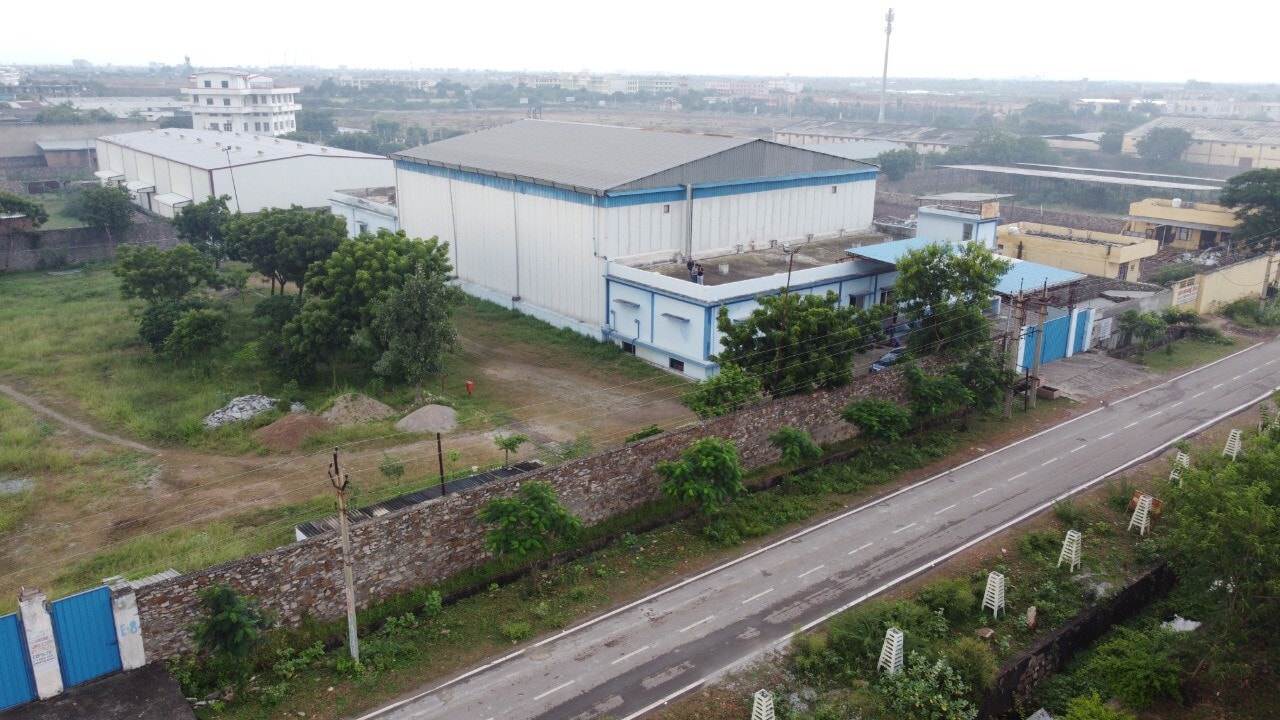
Why Food Processing Recruitment in Kota Matters
Kota is one of Rajasthan’s established locations for agro-based industrial activity.
The Government of Rajasthan’s investment portal identifies RIICO-developed Agro Food Parks in Kota, Jodhpur, Sri Ganganagar and Alwar. These industrial facilities are intended to support food processing and agricultural value addition.
RIICO’s official approved-plot records also identify Agro Food Park-I and Agro Food Park-II at Ranpur, Kota. The records include approved applications associated with food and agro-based businesses. This provides a practical indication of the area’s industrial infrastructure and business activity.
Kota’s food-processing potential extends across several categories:
- Coriander and spice processing
- Mustard and soybean processing
- Edible oil manufacturing
- Flour and wheat-based products
- Dal and pulse milling
- Pickles and packaged food products
- Bakery and confectionery products
- Garlic processing and dehydration
- Namkeen and snack manufacturing
- Food packaging and warehousing
The Government of Rajasthan’s Kota profile also identifies agro-based activities such as solvent extraction, dal mills, processed spices, flour products, pickles, jams, bakery products and cattle feed.
For employers, each activity brings different workforce requirements. A spice-processing unit may need grading, grinding and packaging operators, while an edible-oil facility may need process operators, laboratory staff, mechanical maintenance professionals and utility technicians.
Consequently, recruitment should be aligned with the actual product and manufacturing process.
Kota’s Agro Food Park and Food Manufacturing Ecosystem
Industrial infrastructure plays an important role in attracting food-processing businesses.
The RIICO Agro Food Parks at Ranpur provide an established industrial location for businesses involved in agricultural processing and related activities.
Kota’s position is also supported by its wider agricultural market connections. The district is associated with coriander under the One District One Product initiative. In a Government of India press release, the Ministry of Food Processing Industries’ ODOP selection of coriander for Kota was discussed alongside the importance of the Ramganj Mandi coriander trade.
This makes spice and agricultural processing particularly relevant topics when discussing the region’s recruitment requirements.
1. Coriander and spice processing
Spices require careful handling because raw material quality, moisture, contamination, colour, aroma and particle size can affect the finished product.
A typical spice-processing operation may involve:
- Raw material procurement
- Cleaning and destoning
- Grading and sorting
- Drying, where required
- Grinding and pulverising
- Sieving
- Blending
- Metal detection and inspection
- Packaging and labelling
- Finished-product storage
Common recruitment requirements include spice-processing operators, grinding-machine operators, quality inspectors, production supervisors, laboratory technicians and packaging employees.
2. Edible oil and oilseed processing
Kota and the wider region have agricultural connections with oilseeds such as mustard and soybean.
Oil-processing facilities may carry out activities such as seed cleaning, preparation, extraction, filtration, refining, storage and packaging, depending on the plant’s technology and product range.
Typical vacancies include:
- Production Chemists
- Process Operators
- Extraction Plant Operators
- Refinery Operators
- Quality Control Chemists
- Mechanical Maintenance Technicians
- Electrical Technicians
- Utility Operators
- Packing Supervisors
Experience with the relevant extraction or refining equipment is valuable when hiring for technical positions.
3. Flour mills and wheat-based manufacturing
Wheat processing supports the manufacture of products such as flour, maida, suji and other cereal-based products.
These units need employees who can manage raw material handling, milling, sieving, product grading, storage and packaging.
Common positions include flour-mill operators, milling supervisors, quality inspectors, mechanical fitters, warehouse employees and production executives.
4. Dal mills and pulse processing
Pulse-processing businesses require employees to handle cleaning, grading, dehusking, splitting, polishing and packaging processes, depending on the product and machinery.
Potential recruitment requirements include:
- Dal Mill Operators
- Production Supervisors
- Machine Maintenance Technicians
- Quality Inspectors
- Packaging Operators
- Warehouse Supervisors
- Dispatch Executives
Candidates should be screened for practical experience with the relevant machinery and product category.
5. Snacks, bakery and packaged food manufacturing
Food businesses producing namkeen, snacks, bakery products, pickles and other packaged foods have different production and quality requirements.
These facilities may need food technologists, mixing and processing operators, baking technicians, packaging-machine operators, quality analysts and production supervisors.
For businesses operating multiple product lines, recruitment should consider product-specific hygiene and processing requirements.
Major Job Roles Required by Food Processing Companies in Kota
Food processing businesses require employees across production, engineering, quality, packaging, procurement and logistics.
The following table provides an overview of common recruitment requirements.
| Department | Common positions | Important skills |
|---|---|---|
| Production | Production Manager, Shift Supervisor | Production planning, manpower coordination |
| Food Technology | Food Technologist, Process Executive | Processing methods, product development |
| Spice Processing | Grinding Operator, Blending Operator | Cleaning, grinding, blending and grading |
| Edible Oil | Process Operator, Refinery Supervisor | Extraction, filtration and process monitoring |
| Quality Assurance | QA Executive, QA Manager | Food safety systems, audits, documentation |
| Quality Control | QC Chemist, Lab Technician | Sampling, testing and quality checks |
| Microbiology | Microbiologist, Lab Analyst | Microbial testing and hygiene monitoring |
| Packaging | Packing Supervisor, Machine Operator | Packaging lines, labelling and inspection |
| Engineering | Mechanical Engineer, Electrical Engineer | Maintenance and troubleshooting |
| Utilities | Utility Operator, HVAC Technician | Plant utilities and equipment monitoring |
| Warehouse | Storekeeper, Inventory Executive | Stock management and material handling |
| Procurement | Purchase Executive, Sourcing Officer | Supplier coordination and raw materials |
| Logistics | Dispatch Executive, Warehouse Supervisor | Order coordination and dispatch documentation |
| EHS | Safety Officer, EHS Executive | Workplace safety and environmental awareness |
The actual job requirements will vary depending on the type of food product, plant size, machinery and production capacity.
Why Food Processing Recruitment Requires Industry-Specific Experience
Food processing requires more than general manufacturing skills. Employees must understand the importance of raw material quality, hygiene, contamination prevention and product consistency.
A candidate may have experience working in an industrial factory but may not be familiar with the hygiene and food-safety procedures required in a food manufacturing environment.
Several factors make specialised recruitment important.
1. Raw material quality and handling
Food manufacturing starts with agricultural or other food-grade raw materials.
The quality of these inputs can affect product consistency, shelf life, processing performance and finished-product quality.
Employees involved in procurement, receiving, production and quality control should understand the importance of material identification, inspection and proper storage.
2. Food safety and hygiene
Food manufacturing facilities must maintain suitable hygiene and sanitation practices.
Employees may need to follow procedures covering personal hygiene, handwashing, protective clothing, cleaning, sanitation, pest control and prevention of cross-contamination.
Recruitment teams should assess candidates’ awareness of these practices, particularly for production, quality and supervisory roles.
3. Equipment-specific experience
Food processing uses a wide variety of machinery, including cleaners, graders, destoners, grinders, pulverisers, mixers, extraction systems, conveyors, filling machines and packaging lines.
Experience with one type of equipment does not automatically make a candidate suitable for every food-processing position.
The employer should specify which machines and processes are relevant to the vacancy.
4. Packaging and product traceability
Packaging employees must work carefully with product identification, weight checks, sealing, labelling and other relevant quality controls.
Incorrect labels, poor sealing or damaged packaging can affect product quality and customer confidence.
Supervisors should understand the importance of line clearance, packaging inspection and appropriate production records.
5. Seasonal procurement and production planning
Some food-processing businesses experience fluctuations in raw material availability and production demand.
For example, spice, oilseed and agricultural processing businesses may adjust their sourcing, storage and production schedules according to market conditions.
This can create changing workforce requirements for procurement, warehouse, production and logistics teams.
Quality Assurance and Quality Control Recruitment in Food Manufacturing
Quality Assurance and Quality Control are two important functions in a food-processing facility.
Although they are connected, they have different responsibilities.
Quality Assurance recruitment
Quality Assurance focuses on the systems and procedures used to maintain consistent manufacturing and food-safety practices.
Common responsibilities include:
- Reviewing production procedures
- Monitoring hygiene and sanitation
- Maintaining quality documentation
- Supporting audits and inspections
- Monitoring corrective and preventive actions
- Reviewing non-conformities
- Coordinating employee training
- Maintaining relevant food-safety records
- Supporting product traceability and recall procedures
Common positions include:
- QA Officer
- QA Executive
- QA Supervisor
- Food Safety Officer
- QA Manager
- Documentation Executive
Employers should evaluate candidates on their practical experience in food manufacturing, documentation and quality-management systems.
Quality Control recruitment
Quality Control focuses on testing and inspecting incoming raw materials, in-process products and finished products.
Typical responsibilities may include:
- Sampling and testing raw materials
- Monitoring moisture levels
- Checking physical and chemical parameters
- Inspecting finished products
- Monitoring packaging quality
- Maintaining laboratory records
- Supporting shelf-life and stability-related testing, where applicable
Common vacancies include QC Chemist, Food Analyst, Laboratory Technician, Microbiologist and Quality Inspector.
For technical positions, employers should identify the actual tests and laboratory instruments used at the facility.
Food Safety Regulations and the Skills Employers Should Consider
Food safety is a core part of food manufacturing. It affects production, packaging, storage and distribution.
The Food Safety and Standards Authority of India (FSSAI) states that food businesses applying for licensing must have a documented Food Safety Management System (FSMS) and comply with the applicable hygiene requirements under Schedule 4 of the Food Safety and Standards (Licensing and Registration of Food Businesses) Regulations, 2011.
For manufacturing, processing, packaging, storage and distribution activities, the relevant requirements include hygiene, sanitation, food handling, process controls and documentation.
This makes food-safety knowledge important when recruiting employees for manufacturing and quality-related positions.
Important areas to consider during recruitment
Personal hygiene: Employees should understand hygiene practices relevant to their work and the food products they handle.
Good Manufacturing Practices: Production employees should understand the procedures used to maintain suitable manufacturing conditions.
Good Hygiene Practices: Employees should follow sanitation and hygiene instructions relevant to their department.
Documentation: Supervisors and quality personnel should understand the importance of accurate production, inspection and sanitation records.
Hazard awareness: Relevant employees should be able to recognise potential food-safety risks and report problems through the appropriate procedures.
Traceability: Warehouse, packaging and quality employees should understand material identification, batch information and records used to trace products.
FoSTaC training and food safety supervisors
FSSAI’s Food Safety Training and Certification (FoSTaC) programme aims to create trained Food Safety Supervisors who can support the implementation of hygiene and food-safety practices.
The programme includes training for different types of food businesses, including manufacturing.
Employers should consider relevant FoSTaC-trained candidates for suitable supervisory and food-safety positions. They should also confirm the applicable training and compliance requirements for their particular business.
Food safety training should not be treated as a substitute for practical technical competence. Both are important when selecting employees for a production or quality role.
Engineering and Maintenance Recruitment in Food Processing Plants
Food-processing facilities depend on reliable machinery and utilities.
Production interruptions can affect raw material quality, manufacturing schedules, packaging and dispatch. Therefore, mechanical, electrical and utility teams play an important role in maintaining plant operations.
1. Mechanical maintenance
Mechanical employees may be responsible for maintaining:
- Conveyors
- Grinders and pulverisers
- Mixers and blenders
- Pumps and motors
- Filling and packaging machines
- Material-handling equipment
- Processing lines
Common vacancies include Mechanical Maintenance Engineer, Maintenance Supervisor, Mechanical Fitter and Maintenance Technician.
2. Electrical and instrumentation maintenance
Electrical and instrumentation employees may manage motors, control panels, sensors, electrical distribution, machine automation and fault diagnosis.
Relevant positions include Electrical Engineer, Instrumentation Technician, Automation Technician and Electrical Supervisor.
3. Utility management
Depending on the facility, utility operations may include compressed air, boilers, refrigeration, chilled water, HVAC and water-treatment systems.
Employers may need Utility Engineers, Boiler Operators, Refrigeration Technicians and Utility Supervisors.
Experience with the actual systems installed in the plant should be part of the screening process.
Common Recruitment Challenges Faced by Food Processing Companies in Kota
Although Kota has supporting industrial infrastructure, finding candidates with the correct technical experience can still take time.
1. Limited availability of food-industry experience
Many candidates have worked in general manufacturing but may not understand food-specific production and hygiene procedures.
Employers should identify which skills can be transferred and where direct food-industry experience is essential.
2. Difficulty finding experienced food technologists
Food technologists may be required for process improvement, formulation, product development, quality systems and production support.
However, the right candidate depends on the product category. Someone experienced in bakery products may not automatically be suitable for an edible-oil or spice-processing facility.
3. Shortage of trained machine operators
Food-processing units rely on operators who understand the machinery and production flow.
Candidates should be evaluated according to their practical exposure to cleaning, grinding, mixing, processing, filling and packaging equipment.
4. Competition for QA and QC professionals
Quality professionals are important because their responsibilities directly affect product quality and food safety.
Companies may compete for candidates who understand FSSAI-related requirements, food-safety procedures, laboratory testing and documentation.
5. Workforce planning during peak production periods
Some agro-processing businesses face variations in production demand depending on procurement schedules and market requirements.
This can create short-term staffing pressure in production, packaging, warehouse and dispatch departments.
A clear workforce plan can help companies prepare for these fluctuations.
6. Retaining trained employees
Food-processing companies invest time in training employees on hygiene, production procedures, machinery and quality requirements.
High employee turnover can interrupt operations and create additional recruitment and training costs.
Employers should pay attention to shift arrangements, transportation, supervisor communication, employee training and workplace conditions.
How to Build an Effective Food Processing Recruitment Strategy
An organised recruitment process can help food businesses find suitable employees while reducing avoidable hiring delays.
Step 1: Identify the product and manufacturing process
Start by identifying what the company manufactures.
For example:
- Spice powders and blended spices
- Edible oils
- Flour and wheat products
- Pulses and dal products
- Bakery and confectionery items
- Packaged snacks
- Pickles and processed vegetables
- Dehydrated agricultural products
The product category determines the technical experience required.
Step 2: Prepare department-wise manpower requirements
Identify the number of employees needed in production, quality, engineering, packaging, procurement, stores and logistics.
Also define whether each role is required for a single shift or multiple shifts.
Step 3: Create clear job descriptions
Each job description should mention:
- Job title and department
- Product category
- Manufacturing process
- Machinery or equipment involved
- Required educational qualification
- Relevant industry experience
- Food-safety knowledge
- Shift arrangements
- Salary range and benefits
- Work location
- Reporting structure
Clear job descriptions help attract candidates who understand the actual requirements.
Step 4: Screen candidates for relevant experience
Resume screening should focus on the candidate’s previous responsibilities rather than job titles alone.
For example, a production supervisor should be assessed on team size, production planning, quality coordination and shift responsibilities.
A QC chemist should be evaluated on sample preparation, testing methods, laboratory documentation and instruments used.
Step 5: Conduct technical interviews
Department managers should participate in technical interviews.
Suitable discussions may cover:
- Raw material inspection
- Production-process knowledge
- Equipment operation
- Hygiene and sanitation
- Food-safety procedures
- Quality checks
- Packaging operations
- Maintenance troubleshooting
For operator-level vacancies, practical assessments may be useful where they can be conducted safely.
Step 6: Verify employment and training details
Employers should check qualifications, relevant experience and previous responsibilities.
For food-safety or supervisory positions, they can also verify relevant FoSTaC training and certificates where appropriate.
Step 7: Organise induction and early performance reviews
New employees should receive workplace induction covering hygiene, sanitation, safety, reporting procedures and department-specific responsibilities.
A 30-60-90-day performance review can help managers identify training gaps and evaluate employee adaptation.
How EliteHire Supports Food Processing Recruitment in Kota
EliteHire Placement Solutions provides recruitment, manpower consulting and HR support for businesses with different workforce requirements.
For food-processing companies in Kota and nearby industrial areas, hiring requirements may range from food technologists and quality professionals to production employees, maintenance technicians and packaging teams.
The recruitment approach can be aligned with the business’s actual product category, manufacturing process and workforce requirements.
1. Technical and professional recruitment
Food manufacturers may need food technologists, production managers, QA executives, QC chemists, laboratory technicians and engineering professionals.
EliteHire can work with employers to understand their qualifications, technical experience requirements and job responsibilities before recruitment begins.
2. Skilled and semi-skilled manpower
Food-processing factories may require machine operators, packaging employees, production helpers, warehouse staff and maintenance technicians.
Through its Manpower Consultant services, EliteHire supports skilled, semi-skilled and general manpower requirements, including factory and industrial workforce needs.
3. Recruitment coordination
When multiple departments have vacancies, coordinating candidate sourcing, screening, interviews and joining formalities can place additional pressure on internal HR teams.
EliteHire’s Placement Consultant services provide a starting point for discussing recruitment coordination and hiring support.
4. HR and workforce management
Food-processing businesses also need organised HR processes for attendance, documentation, workforce planning, employee engagement and performance management.
EliteHire’s HR Consultant services can support employers with HR strategy and process improvement.
5. Training and employee development
Some employees may need additional training in hygiene, workplace safety, technical processes, team management and communication.
Through Corporate Training Consultant services, employers can explore employee induction, technical and functional training, safety awareness and supervisory development.
For businesses seeking broader HR support, EliteHire also offers Turnkey HR Consultant services.
Food-safety compliance, statutory qualification checks and final technical approval remain the responsibility of the food business operator and its designated quality and compliance personnel.
Why Food Processing Companies Should Plan Recruitment Before Expanding Production
Recruitment should be connected to production capacity, raw material availability and manufacturing schedules.
Consider a food-processing company in Kota preparing to expand its spice-processing or packaged-food operations.
The business may require additional production operators, quality inspectors, packaging employees, warehouse staff and maintenance technicians.
Hiring all these employees at the last moment can delay the planned increase in production.
A more organised recruitment approach can help employers:
- Identify manpower requirements before production expansion.
- Recruit key technical professionals early.
- Prepare shift-wise employee deployment.
- Coordinate QA and QC staffing with production requirements.
- Arrange suitable training for machine operators.
- Prepare warehouse and dispatch teams for increased volume.
- Reduce avoidable recruitment and replacement delays.
This approach also creates better coordination between production, quality, engineering and HR teams.
Illustrative Case Study: Recruiting a Team for a Spice Processing Unit in Kota
The following is a hypothetical example created to explain a recruitment process. It is not a real EliteHire client engagement, placement record or verified business result.
Imagine a spice-processing company in Kota planning to increase its coriander cleaning, grinding and packaging capacity.
The company needs additional production operators, quality-control employees, packaging staff, maintenance technicians and warehouse personnel.
Initially, the company receives applications from candidates with different backgrounds. However, some applicants have limited experience with food-processing machinery, while others lack knowledge of hygiene and quality procedures.
The company decides to divide its recruitment process into four stages.
Stage 1: Requirement mapping
The production manager and HR team identify the number of employees needed for each department and shift.
Stage 2: Relevant candidate screening
Production candidates are assessed on cleaning, grinding, blending and packaging experience. Quality applicants are assessed on sampling, product inspection and laboratory responsibilities.
Stage 3: Interviews and verification
Department managers conduct technical interviews, while HR verifies qualifications, previous employment and joining availability.
Stage 4: Induction and training
Selected employees receive site induction and role-specific training covering hygiene, equipment operation, production procedures and quality expectations.
The main lesson is that recruitment becomes more effective when hiring criteria are linked to the actual food product and manufacturing process.
Recruitment Checklist for Food Processing Employers in Kota
Before starting a recruitment drive, employers can use the following checklist.
-
Identify the food product and manufacturing category.
-
Confirm the exact factory location.
-
Prepare department-wise manpower requirements.
-
Define technical qualifications and industry experience.
-
Identify the machinery and equipment used.
-
Specify food-safety and hygiene responsibilities.
-
Confirm production shifts and salary arrangements.
-
Define interview and practical assessment criteria.
-
Verify qualifications and employment history.
-
Check relevant food-safety training where applicable.
-
Prepare employee induction and training plans.
-
Establish early performance reviews.
A clear checklist helps production, quality, engineering, HR and management teams work towards the same recruitment objectives.
The Future of Food Processing Recruitment in Kota
Food processing is changing as businesses adopt improved machinery, packaging technology, quality systems and supply-chain practices.
These developments will influence the skills required from employees.
Automation and modern processing equipment
Food manufacturers are investing in machinery that can improve production consistency and reduce manual handling.
This creates demand for machine operators, automation technicians, electrical professionals and maintenance engineers.
Food safety and quality management
As quality expectations increase, companies need employees who understand hygiene, documentation, inspection and food-safety management systems.
Spice processing and value addition
Kota’s association with coriander creates opportunities for businesses involved in cleaning, grading, grinding, blending, packaging and related value-added products.
This can generate recruitment requirements across production, laboratory testing, packaging and warehouse operations.
Improved packaging and traceability
Modern packaging processes may require employees familiar with filling equipment, sealing systems, labelling, coding, inspection and material traceability.
Cold-chain and warehouse operations
Food businesses dealing with perishable products may require better storage, temperature management, inventory control and transportation coordination.
The Ministry of Food Processing Industries identifies cold-chain infrastructure as an important part of the supply chain, covering facilities such as pre-cooling, grading, storage, packing and refrigerated transportation.
Product development and process improvement
Food technologists and product-development professionals can support businesses in improving product consistency, developing new product formats and adapting production processes.
Employers who invest in both recruitment and employee development will be better positioned to respond to these changes.
Conclusion: Building a Skilled Workforce for Kota’s Food Processing Industry
Kota has an established connection with agricultural trade, food-processing infrastructure and agro-based industrial activity. Its Agro Food Parks at Ranpur and opportunities across spice processing, edible oils, flour milling, pulses, bakery products and packaged foods make it a useful location for food-industry recruitment.
However, successful food processing recruitment in Kota requires an understanding of the manufacturing process, product category, technical requirements and food-safety responsibilities.
Employers must identify candidates who can support consistent production while following appropriate hygiene, quality and workplace procedures.
A structured recruitment strategy can help food-processing businesses find suitable employees, manage production requirements and build a stronger workforce.
EliteHire Placement Solutions works with businesses on recruitment, manpower consulting and HR support. Companies looking for food technologists, production professionals, QA/QC employees, machine operators or skilled factory manpower can connect with the team to discuss their hiring requirements.
Planning to hire for a food-processing or agro-based manufacturing unit in Kota?
Visit EliteHire Placement Solutions and share your workforce requirements.
Frequently Asked Questions
1. Why is Kota important for food processing recruitment in Rajasthan?
Kota has RIICO-developed Agro Food Park infrastructure at Ranpur and a connection with agricultural products such as coriander and oilseeds. The area’s agro-based industrial activities include spice processing, flour products, dal milling, edible oils and packaged foods.
2. Which employees are commonly required in food-processing companies?
Common positions include food technologists, production managers, production supervisors, machine operators, QA executives, QC chemists, microbiologists, packaging operators, maintenance technicians, warehouse employees and dispatch executives.
3. What qualifications are useful for food-processing jobs?
Depending on the role, employers may consider B.Tech or M.Tech Food Technology, B.Sc. or M.Sc. Food Science, Chemistry, Microbiology or related qualifications. Diploma, ITI and other technical qualifications may be suitable for production, packaging and maintenance positions. Requirements depend on the job.
4. What skills should employers check when hiring food production supervisors?
Employers should assess production planning, shift management, machinery knowledge, raw material handling, hygiene awareness, quality coordination, documentation and employee supervision.
5. Why is food safety training important in food manufacturing?
Food safety training helps employees understand hygiene, sanitation, safe food handling and procedures that prevent contamination. FSSAI’s FoSTaC programme provides training for Food Safety Supervisors and supports the development of food-safety awareness in food businesses.
6. What is the difference between QA and QC in a food-processing company?
Quality Assurance focuses on the systems and procedures used to maintain manufacturing and food-safety standards. Quality Control focuses on inspecting and testing raw materials, in-process products and finished goods.
7. Can candidates from general manufacturing work in food-processing factories?
Some candidates may have transferable experience in production, maintenance, packaging, warehouse management and automation. However, employers should assess their understanding of food hygiene, product handling and food-safety procedures before selection.
8. Does EliteHire provide food-processing manpower consulting in Kota?
EliteHire provides recruitment and manpower consulting support for industrial workforce requirements. Food-processing businesses can share their job descriptions, qualifications, technical requirements and factory location to discuss suitable hiring support.
9. How can food-processing companies reduce employee turnover?
Companies can improve retention through clear job expectations, suitable shift arrangements, fair compensation, safe working conditions, structured induction, supervisor development and opportunities for employee training.
#FoodProcessingRecruitment #Kota #RajasthanFoodIndustry #FoodManufacturing #AgroProcessing #FoodTechnologyJobs #FoodSafety #FoodQualityControl #SpiceProcessing #CorianderProcessing #FoodProduction #FactoryManpower #FMCGRecruitment #EliteHirePlacementSolutions