
#SolarRecruitment #SolarEnergy #Jodhpur #RajasthanRenewableEnergy #SolarProject #SolarEPC #SolarManpower #ElectricalEngineer #SolarTechnician #RenewableEnergyJobs #SolarOandM #EngineeringRecruitment #EliteHirePlacementSolutions
Solar Project Recruitment in Jodhpur: Building the Skilled Workforce Behind Rajasthan’s Solar Energy Growth
Rajasthan’s renewable energy sector is creating opportunities that extend well beyond electricity generation. Behind every successful solar power project is a team of engineers, technicians, construction specialists, electrical professionals, safety officers and operations personnel. Finding these employees at the right time is becoming an important requirement for companies working across the state’s solar energy ecosystem. This makes solar project recruitment in Jodhpur an increasingly relevant requirement for renewable energy developers, EPC contractors, infrastructure companies and solar operations businesses.
Jodhpur has an important position in western Rajasthan’s renewable energy landscape. Its wider regional connectivity and proximity to major solar development areas make it a useful recruitment and project-coordination market for businesses operating across the region. The nearby Bhadla solar development area is a prominent example of the scale of renewable energy infrastructure in western Rajasthan.
However, solar project hiring is not the same as conventional industrial recruitment. A solar project requires different people at different stages. During construction, employers need civil engineers, surveyors, installation teams, electricians and site supervisors. During commissioning, the requirement shifts towards testing engineers, electrical specialists and project-quality professionals. Once a plant becomes operational, businesses need O&M engineers, technicians, monitoring personnel and safety teams.
Therefore, companies need a recruitment strategy that follows the entire project lifecycle.
This article explains the workforce requirements of solar energy projects, the recruitment challenges employers face around Jodhpur and how a structured hiring process can help build reliable solar project teams.
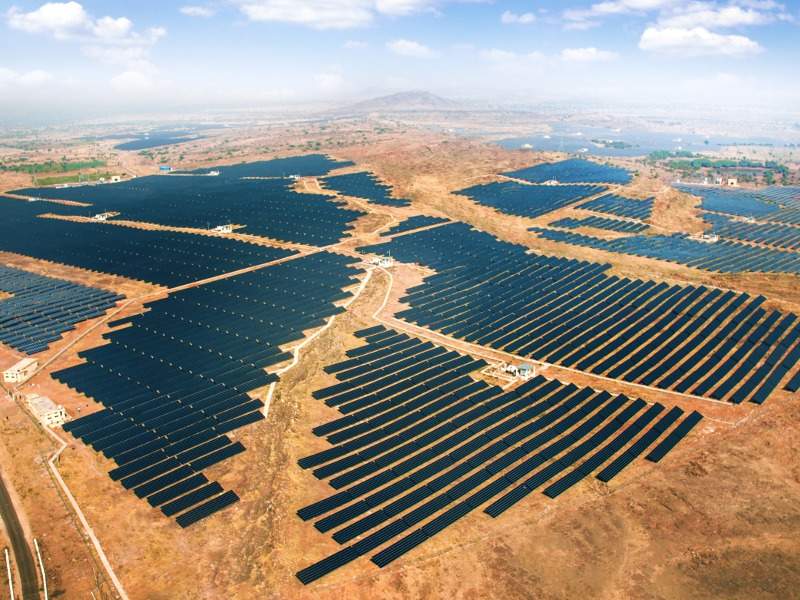
Why Solar Project Recruitment in Jodhpur Is Becoming Important
Rajasthan has established itself as one of India’s leading renewable energy markets.
According to the Government of Rajasthan’s renewable energy investment portal, the state had 51,595.50 MW of installed renewable energy capacity as of 30 September 2026, including 45,121.44 MW of solar capacity. The state also recorded 69.12 billion units of renewable electricity generation during FY 2025–26.
The same government portal identifies Bhadla as a major operational solar park with a capacity of 2,245 MW. It also identifies Bhadla, Jaisalmer, Barmer and the Phalodi-Pokhran area among Rajasthan’s important renewable energy clusters.
These developments create workforce requirements across several connected activities:
- Solar project planning and engineering
- Land surveying and site development
- Civil and structural construction
- Electrical installation and grid connectivity
- Solar module and inverter installation
- Testing and commissioning
- Plant operations and maintenance
- Safety, quality and compliance
- Procurement, logistics and project administration
Furthermore, solar developers and EPC contractors often work against defined project schedules. Delays in hiring skilled employees can affect installation progress, commissioning activities and maintenance readiness.
For this reason, employers should plan recruitment before the project reaches its peak manpower requirement.
Understanding the Jodhpur and Bhadla Solar Project Region
Bhadla is an important reference point when discussing solar energy development in western Rajasthan. However, employers and candidates should distinguish between Jodhpur city and the actual project location.
The Rajasthan Chief Minister’s Office has identified Bhadla village in Bap tehsil, Phalodi district, as the location of a separately approved 500 MW NTPC Renewable Energy Limited solar project. Its June 2024 announcement stated that the development was expected to create local employment opportunities.
Consequently, this article uses Jodhpur as the wider recruitment-market focus, while recognising that actual project sites may be located outside Jodhpur city. Hiring managers should communicate the precise site location, travel expectations and accommodation arrangements in every job description.
This distinction is important because a candidate willing to work in Jodhpur city may not necessarily be willing to relocate to a remote solar project site.
What Makes Solar Projects Different from Traditional Manufacturing Recruitment?
Solar project recruitment requires a combination of technical, construction and operational expertise.
A conventional factory may have a relatively stable workforce structure. By comparison, a solar project can experience significant changes in manpower requirements as it moves from planning to construction, installation, commissioning and long-term operation.
1. Project-based workforce requirements
During the construction phase, companies may need a large workforce for civil works, mounting structures, module installation, cable laying and material handling.
However, the number and type of employees required can change significantly once construction is completed.
For example, a project may initially require several installation crews but later operate with a much smaller team of permanent O&M professionals.
2. Technical skills across multiple disciplines
A solar power project is not limited to photovoltaic panels.
It involves electrical systems, mechanical structures, civil infrastructure, inverters, transformers, transmission connections, monitoring systems and safety arrangements.
As a result, employers must recruit people with different technical backgrounds and assess candidates according to the actual work they will perform.
3. Remote-site working conditions
Some solar project locations are far from major urban centres.
Employees may need to work in high temperatures, dusty environments and outdoor conditions. They may also have to follow site-specific accommodation, transportation and shift arrangements.
Recruitment teams should communicate these conditions before candidates accept an offer.
4. Safety and operational discipline
Solar projects involve electrical equipment, work at height, lifting operations, construction machinery and other site hazards.
Therefore, employers should evaluate safety awareness alongside technical competence. Relevant training, protective equipment, supervision and site procedures must be in place before employees begin hazardous work.
Major Job Roles Required in Solar Projects Around Jodhpur
Solar recruitment can be divided into several functional categories. Understanding these categories helps employers prepare accurate job descriptions and select candidates with the right experience.
1. Solar Project Engineers
Project engineers coordinate technical activities and support the execution of solar power projects.
Depending on the project structure, responsibilities may include:
- Reviewing engineering drawings and technical specifications
- Coordinating site execution activities
- Monitoring project progress
- Working with civil and electrical teams
- Coordinating contractors and suppliers
- Reviewing installation quality
- Supporting testing and commissioning
- Preparing technical progress reports
Common vacancies include:
- Solar Project Engineer
- Project Planning Engineer
- Assistant Project Manager
- Site Engineer
- Project Coordinator
- Solar Design Engineer
Employers should assess candidates based on the type and scale of projects they have handled, their technical responsibilities and their ability to coordinate multiple teams.
2. Electrical Engineers and Technicians
Electrical professionals are among the most important employees in a utility-scale solar project.
They may work on DC and AC systems, inverters, transformers, switchgear, protection systems and electrical connectivity.
Common vacancies include:
- Electrical Project Engineer
- Solar Electrical Engineer
- Electrical Supervisor
- HT and LT Technician
- Substation Technician
- Cable Laying Supervisor
- Testing and Commissioning Engineer
- Electrical Maintenance Technician
For these positions, employers should verify the candidate’s qualifications, electrical experience and familiarity with the voltage levels and equipment relevant to the project.
3. Civil and Structural Engineering Teams
Before solar modules can be installed, the project needs suitable land development, foundations, access roads and mounting structures.
Civil and structural teams help ensure that these requirements are completed according to project drawings and technical specifications.
Typical vacancies include:
- Civil Project Engineer
- Structural Engineer
- Site Civil Supervisor
- Surveyor
- Quantity Surveyor
- Land Development Supervisor
- Fabrication Supervisor
- Construction Manager
Relevant experience may include foundation work, structural installation, earthwork, levelling, drainage and large infrastructure projects.
4. Solar Installation Technicians
Installation technicians are responsible for practical work at the site.
Their activities may include preparing materials, installing mounting structures, fitting photovoltaic modules, connecting relevant components and supporting testing activities.
Common positions include:
- Solar Panel Installation Technician
- Solar PV Installer
- Module Installation Technician
- DC Cable Technician
- Electrical Installation Technician
- Solar Site Supervisor
The Government of India’s National Qualification Register describes solar PV installation work as involving system installation, inspection, testing, commissioning and compliance with applicable safety requirements.
This provides employers with a useful reference when preparing technician-level job descriptions and training requirements.
5. Operations and Maintenance Professionals
Once the solar plant becomes operational, the priority shifts towards maintaining performance and reducing equipment downtime.
O&M employees monitor plant performance, inspect equipment, identify faults and support preventive and corrective maintenance.
Common vacancies include:
- Solar O&M Engineer
- Plant Maintenance Engineer
- O&M Supervisor
- Electrical Maintenance Technician
- Inverter Technician
- SCADA Operator
- Performance Monitoring Engineer
- Plant Operations Manager
Candidates with experience in solar plant monitoring, inverter systems, preventive maintenance and electrical troubleshooting may be particularly relevant.
6. Quality, Safety and Compliance Teams
Quality and safety activities are essential throughout a solar project’s lifecycle.
Employers may require:
- Quality Assurance Engineer
- Quality Control Inspector
- HSE Officer
- Safety Supervisor
- Environmental Officer
- Site Documentation Executive
- Project Compliance Coordinator
These professionals help monitor installation standards, safety procedures, inspection records and project documentation.
The specific qualifications required will depend on the position, project specifications and applicable statutory requirements.
7. Procurement, Stores and Logistics Staff
Solar projects involve the movement and handling of modules, inverters, cables, mounting structures, tools and other equipment.
Efficient material coordination is therefore necessary to avoid delays.
Common roles include:
- Procurement Executive
- Purchase Engineer
- Storekeeper
- Inventory Controller
- Warehouse Supervisor
- Logistics Coordinator
- Material Planning Executive
Employers should look for candidates who can coordinate inventory, supplier communication, material receipts and project documentation.
Solar Project Manpower Planning: Matching Recruitment with Each Project Stage
One of the biggest mistakes in solar recruitment is hiring employees without considering the project timeline.
An employer may urgently recruit a large installation workforce during one phase but struggle with unnecessary manpower costs once that stage is complete.
A better approach is to prepare a stage-wise manpower plan.
| Project stage | Typical workforce requirements | Main objective |
|---|---|---|
| Planning and survey | Project engineers, surveyors, land specialists | Site assessment and project preparation |
| Civil development | Civil engineers, supervisors, operators | Site readiness and infrastructure |
| Installation | Electrical technicians, installers, supervisors | Module and electrical installation |
| Testing and commissioning | Testing engineers, QA and electrical specialists | System verification and commissioning |
| Operations | O&M engineers, SCADA operators | Monitoring and plant performance |
| Maintenance | Electrical and mechanical technicians | Preventive and corrective maintenance |
This approach provides several advantages.
First, companies can identify their recruitment requirements earlier. Second, they can avoid hiring more people than necessary for a particular stage. Finally, project managers can coordinate recruitment with contractors, suppliers and site-management teams.
Recruitment Challenges Faced by Solar Companies in the Jodhpur Region
Although Rajasthan has a growing renewable energy ecosystem, hiring the right people still requires careful planning.
1. Shortage of candidates with relevant solar experience
Many candidates have electrical or civil engineering qualifications, but not all of them have worked on solar power projects.
A candidate may have experience in building construction, industrial electrical systems or general maintenance. However, employers must determine which skills transfer to solar project requirements and which need additional training.
A strong recruitment process should assess practical knowledge rather than relying only on job titles.
2. Remote project locations and relocation requirements
A candidate may be interested in working for a Jodhpur-based company but may not be comfortable travelling to a remote project location.
Employers should clearly explain:
- Exact project location
- Distance from the nearest town
- Accommodation arrangements
- Food and transport facilities
- Shift timing
- Weekly off arrangements
- Duration of project deployment
Transparent communication helps reduce offer rejections and early employee exits.
3. High demand for experienced electrical professionals
Electrical engineers and technicians are needed across several industries, including manufacturing, infrastructure, power distribution and renewable energy.
Consequently, solar employers may face competition when hiring experienced candidates.
Businesses should define realistic selection criteria and identify which responsibilities require previous solar experience and which can be learned through suitable training.
4. Difficulty managing project-based manpower
EPC companies may need temporary or contract-based teams during installation and construction.
However, maintaining workforce attendance, documentation, deployment and replacement arrangements can become complicated when several contractors operate at one site.
A centralised manpower plan and clearly assigned responsibilities can improve workforce coordination.
5. Employee retention during project execution
Remote assignments and demanding site schedules can affect employee satisfaction.
Companies should review accommodation, transportation, safety arrangements, supervisor behaviour and employee communication.
Retention depends on the overall employment experience, not merely the recruitment process.
How Solar Companies Can Improve Their Recruitment Process
A reliable hiring process should combine technical screening, practical assessments, reference checks and proper onboarding.
Step 1: Prepare a detailed technical job description
Avoid generic job descriptions such as “Electrical Engineer Required for Solar Project.”
Instead, explain:
- Project type and location
- Installed or planned capacity, where relevant
- Electrical systems and equipment handled
- Required qualifications
- Relevant years of experience
- Site responsibilities
- Reporting structure
- Salary range and benefits
- Travel or relocation requirements
This helps attract candidates whose experience is relevant to the actual vacancy.
Step 2: Evaluate practical technical knowledge
For an electrical engineer, an interview might cover inverter systems, protection arrangements, cable sizing concepts, electrical drawings and commissioning procedures relevant to the role.
For a solar installation technician, employers may evaluate familiarity with module mounting, cable routing, electrical components, tools and site safety.
For an O&M engineer, the discussion may focus on plant monitoring, inverter faults, preventive maintenance and performance reporting.
The assessment should match the candidate’s seniority and actual job responsibilities.
Step 3: Verify project experience
Employers should check the candidate’s previous project exposure, employment history and specific responsibilities.
Useful questions include:
- What was the nature of the project?
- Which equipment did the candidate handle?
- Was the role related to installation, commissioning or O&M?
- What team size was managed?
- Which technical issues were handled?
- Was the candidate responsible for documentation or reporting?
These questions help distinguish candidates with practical exposure from those whose experience is mostly theoretical.
Step 4: Check safety awareness
Technical competence alone is not sufficient for a site-based role.
Employees should understand relevant electrical safety procedures, personal protective equipment, work-permit requirements and emergency reporting arrangements.
Employers should also provide role-specific training and confirm that workers understand the project’s safety procedures before beginning work.
Step 5: Plan deployment and onboarding
Once a candidate is selected, the recruitment team should coordinate joining formalities, accommodation information, reporting instructions and site induction.
The joining process should include relevant safety training, project familiarisation, reporting responsibilities and technical expectations.
For large recruitment drives, a 30-60-90-day review can help managers identify training gaps and evaluate employee performance.
The Emerging Role of Battery Storage and Advanced Solar Technology
The solar energy industry is moving beyond conventional generation-only projects.
As renewable energy capacity grows, energy storage, hybrid power systems and grid integration are receiving greater attention.
Rajasthan’s official investment portal identifies battery energy storage systems and integrated solar-plus-storage projects as part of the state’s renewable energy development priorities.
There is also a noteworthy technology development in Bhadla. On 30 October 2026, an official Rajasthan electricity-distribution utility announcement described a 320 kW NTPC concentrated solar power pilot intended to explore generation after sunset using ceramic-based thermal storage.
This is a pilot project, not a commercial-scale replacement for conventional battery storage. Nevertheless, it illustrates the variety of technical disciplines that may become relevant as renewable energy technology develops.
Future workforce requirements may increasingly include:
- Battery Energy Storage System (BESS) Engineers
- Power Electronics Engineers
- Protection and Control Engineers
- SCADA and Monitoring Specialists
- Energy Management System Professionals
- Thermal Storage Specialists
- Grid Integration Engineers
- Advanced O&M Professionals
Consequently, employers should build recruitment strategies that can accommodate both current solar requirements and emerging technical positions.
How EliteHire Supports Solar Project Recruitment in Jodhpur
EliteHire Placement Solutions provides recruitment, manpower consulting and HR support for businesses with different workforce requirements.
For solar developers, EPC contractors and renewable energy companies operating around Jodhpur and other parts of Rajasthan, recruitment needs may vary from a single experienced project engineer to a larger installation or operations team.
A structured approach can be developed around the employer’s technical requirements, project schedule and workforce size.
1. Technical and engineering recruitment
Solar projects require professionals with relevant engineering backgrounds and practical experience.
EliteHire can align recruitment requirements with roles such as project engineers, electrical engineers, civil engineers, supervisors, maintenance professionals and quality personnel.
The selection process should be based on the specific project and the technical requirements provided by the employer.
2. Skilled and semi-skilled manpower
Installation and construction activities often require technicians, electricians, helpers, operators and other site-based personnel.
Through its Manpower Consultant services, EliteHire supports businesses with skilled, semi-skilled and general manpower requirements, including industrial and site workforce needs.
3. Recruitment coordination and hiring support
When businesses have multiple vacancies, managing candidate sourcing, screening, interviews and joining coordination can become time-consuming.
EliteHire’s Placement Consultant services provide a starting point for discussing recruitment support and hiring requirements.
4. Workforce planning and HR support
Solar companies also need organised HR processes for employee documentation, workforce planning, attendance coordination and employee management.
EliteHire’s HR Consultant services can support businesses with HR strategy, workforce planning, employee engagement and HR process improvement.
5. Training and employee development
Some employees may have transferable technical skills but need additional training before they can perform specific solar project responsibilities.
Through its Corporate Training Consultant services, employers can explore support for technical and functional training, employee induction, safety awareness, soft skills and supervisory development.
For companies looking at broader HR systems, EliteHire also offers Turnkey HR Consultant services.
Why Solar Companies Should Plan Recruitment Before Project Execution
Recruitment should be included in project planning rather than treated as an activity that starts after construction is underway.
Consider a company preparing to execute a solar installation project in western Rajasthan.
The project team needs civil supervisors, electrical technicians, installation workers, testing specialists and safety personnel. However, each role is required at a different stage.
A practical recruitment plan can help the company:
- Identify vacancies according to the project schedule.
- Start searching for specialised engineers early.
- Arrange installation manpower before site mobilisation.
- Coordinate technical interviews with department managers.
- Prepare accommodation and transportation information.
- Plan joining formalities and safety induction.
- Build a suitable O&M team before handover.
This reduces the possibility of last-minute hiring and improves coordination between HR, project management and site execution teams.
Illustrative Case Study: Recruiting a Solar Project Team in Western Rajasthan
This is a hypothetical example created to explain a recruitment approach. It is not a real EliteHire client assignment, placement record or verified project result.
Imagine an EPC company preparing to execute a ground-mounted solar project in western Rajasthan.
The project manager identifies vacancies across civil execution, electrical installation, quality, safety and project administration.
Initially, the company considers hiring all employees in one recruitment drive. However, the project schedule shows that different teams will be needed at different times.
The company therefore divides its manpower requirements into three stages.
Stage 1: Initial project mobilisation
The company prioritises project engineers, surveyors, civil supervisors, safety personnel and store-management employees.
Stage 2: Installation and construction
Electrical technicians, installation teams, equipment operators, site supervisors and quality inspectors are recruited according to the project schedule.
Stage 3: Testing, commissioning and operations
Testing engineers, commissioning specialists, O&M personnel and monitoring staff are selected before the project moves into its operational phase.
During selection, candidates are assessed according to their technical experience, practical exposure, safety awareness and willingness to work at the specified location.
The main lesson is that stage-wise recruitment can make workforce deployment more organised and reduce unnecessary hiring pressure.
Recruitment Checklist for Solar Project Employers in Jodhpur
Before starting a hiring drive, employers should review the following points.
-
Confirm the project location and site accessibility.
-
Identify the project stage and expected manpower requirement.
-
Prepare separate job descriptions for engineering, technical and site roles.
-
Define essential qualifications and technical experience.
-
Specify equipment and systems relevant to each vacancy.
-
Confirm salary, allowances and employment conditions.
-
Clearly communicate accommodation and transport arrangements.
-
Establish technical interview and practical assessment criteria.
-
Check relevant employment history and professional references.
-
Prepare safety induction and site-reporting procedures.
-
Plan replacement requirements for critical project positions.
-
Prepare an O&M manpower plan before project handover.
A well-defined checklist improves coordination between HR, recruitment partners, project managers and site supervisors.
The Future of Solar Energy Recruitment in Jodhpur and Western Rajasthan
The renewable energy workforce will continue to evolve as projects adopt more sophisticated technologies and operating practices.
Several skill areas are likely to become increasingly relevant.
Solar automation and monitoring: Modern plants depend on monitoring systems that help operators understand equipment performance and identify faults.
Battery storage and hybrid energy systems: Integration of storage with solar and wind power will require specialists in battery technology, power electronics and energy management.
Advanced electrical engineering: Grid connectivity, protection systems and high-capacity transmission infrastructure will continue to require experienced electrical professionals.
Predictive maintenance: Better monitoring and data analysis can help maintenance teams identify potential equipment issues before they cause major interruptions.
Safety and quality management: Large project sites will continue to require trained safety officers and quality professionals who can maintain consistent execution standards.
Skilled technician development: Companies will also need practical training programmes to build a stronger pipeline of installation and maintenance technicians.
Employers who develop a workforce strategy around these changing requirements will be better positioned to manage future projects.
Conclusion: Finding the Right Talent for Rajasthan’s Solar Energy Projects
Jodhpur and the wider western Rajasthan region have an important connection to the state’s expanding renewable energy ecosystem. Large solar developments, project infrastructure and evolving energy technologies are creating workforce requirements across engineering, construction, electrical installation, commissioning and operations.
However, successful solar project recruitment in Jodhpur requires more than collecting resumes and arranging interviews. Employers must understand the technical requirements of each project stage, identify candidates with relevant experience and communicate site conditions clearly.
A planned recruitment strategy can improve workforce deployment, reduce hiring delays and support smoother project execution.
EliteHire Placement Solutions works with businesses on recruitment, manpower consulting and HR support. Companies looking for engineering professionals, solar technicians, skilled manpower or project-based workforce support can connect with the team to discuss their requirements.
Planning a solar project or expanding your renewable energy workforce in Rajasthan?
Visit EliteHire Placement Solutions and share your recruitment requirements.
Frequently Asked Questions
1. Why is Jodhpur important for solar project recruitment in Rajasthan?
Jodhpur is part of western Rajasthan’s wider renewable energy ecosystem. The region is connected to important solar development areas, including Bhadla. This creates potential recruitment requirements across project engineering, electrical installation, civil construction, commissioning and plant operations.
2. Which employees are required for a solar power project?
Common positions include solar project engineers, electrical engineers, civil engineers, installation technicians, electricians, site supervisors, safety officers, quality inspectors, testing engineers, SCADA operators and O&M professionals.
3. Can an electrical engineer work in solar project recruitment without previous solar experience?
Some employers may consider candidates with relevant electrical engineering and infrastructure experience, particularly for transferable responsibilities. However, the candidate’s suitability should be assessed against the actual equipment, systems, safety requirements and duties of the vacancy.
4. What is the difference between solar installation and solar O&M recruitment?
Installation recruitment focuses on employees who construct and install project components, including modules, mounting structures and electrical systems. O&M recruitment focuses on employees responsible for operating, inspecting, monitoring and maintaining an operational solar plant.
5. Why is technical screening important for solar recruitment?
Solar projects involve specialised electrical, mechanical and construction responsibilities. Technical screening helps employers evaluate whether candidates understand the equipment, installation processes, maintenance activities and safety requirements relevant to the position.
6. How can employers manage manpower for large solar projects?
Employers should prepare a stage-wise manpower plan covering planning, civil development, installation, commissioning and operations. The recruitment schedule should be aligned with project milestones, contractor requirements and expected deployment dates.
7. Does EliteHire provide manpower consulting for solar companies in Rajasthan?
EliteHire provides manpower consulting and recruitment support for industrial and project-based workforce requirements. Solar companies can share their vacancy details, technical requirements and project location to discuss suitable recruitment support.
8. What skills are useful for solar O&M professionals?
Relevant skills include electrical troubleshooting, inverter knowledge, preventive maintenance, plant monitoring, fault identification, safety procedures and maintenance documentation. The specific requirements depend on the plant’s technology and equipment.