
Skilled Manufacturing Workforce in Rajasthan: A Practical Hiring Guide for Employers
Building a skilled manufacturing workforce in Rajasthan is becoming an important priority for companies that want reliable production, better quality, and sustainable growth. Manufacturing companies do not simply need people to fill vacancies. They need employees who understand processes, equipment, safety, quality standards, production targets, and the working environment of an industrial business.
At the same time, finding the right candidates can be difficult. A company may receive many resumes but still struggle to find professionals with the right combination of technical knowledge, practical experience, location flexibility, and industry exposure.
This is where structured recruitment becomes valuable.
Rajasthan has a diverse industrial base, and companies across manufacturing, engineering, automobile, infrastructure, construction, renewable energy, electrical equipment, fabrication, and other sectors require different types of talent. Therefore, employers need a recruitment strategy that goes beyond simply publishing a job vacancy.
Elite Hire works with employers on recruitment, manpower, placement, and workforce solutions, with its base in Jaipur and a broader talent network serving organizations across India. Manufacturing is one of the industries listed among the sectors served by Elite Hire.
This guide explains how companies can build a reliable skilled manufacturing workforce in Rajasthan, what roles should be prioritized, how to improve sourcing and screening, and how professional recruitment support can make the process more organized.
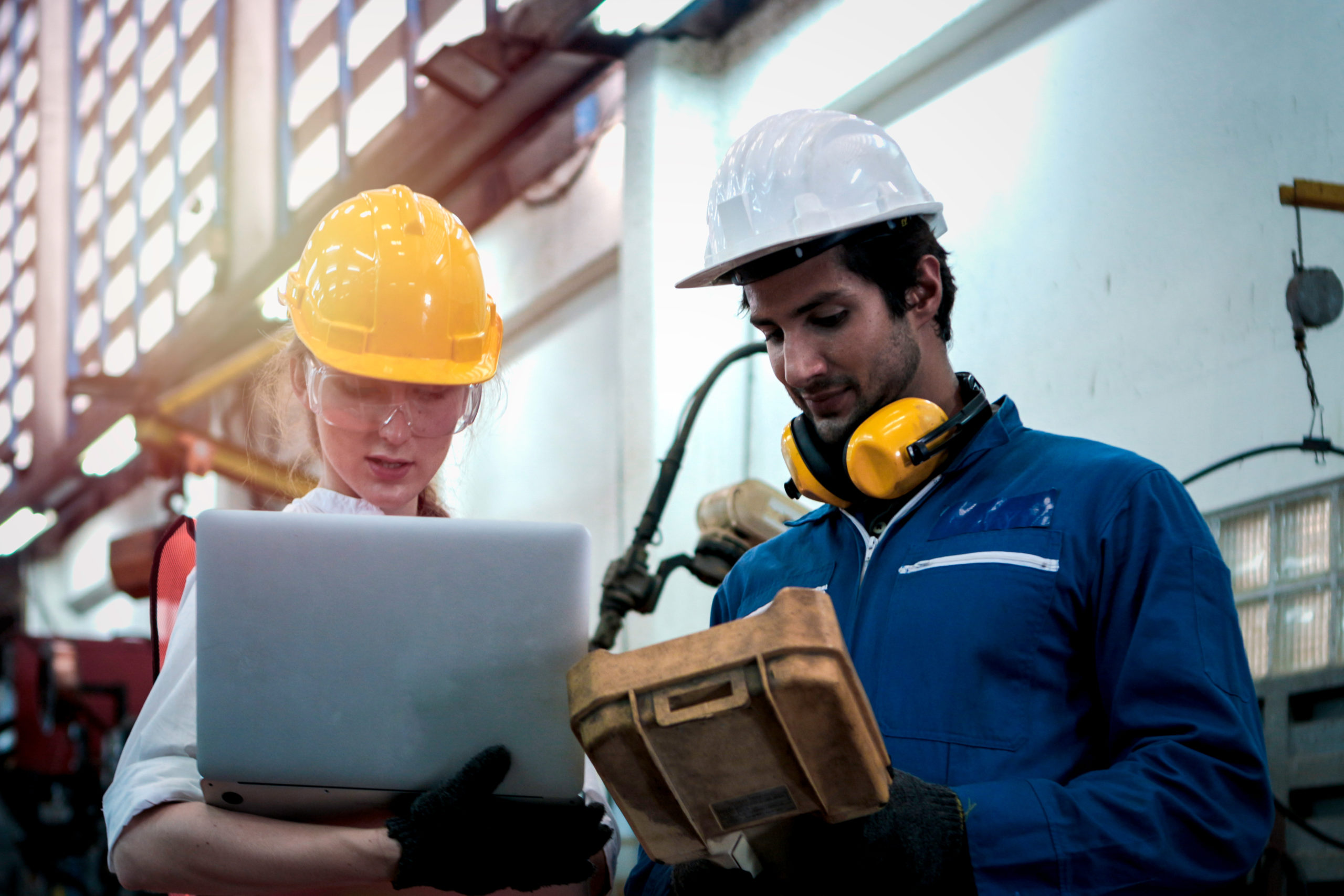
Why a Skilled Manufacturing Workforce in Rajasthan Matters
Manufacturing performance depends heavily on people.
Even highly automated factories require trained engineers, operators, technicians, quality professionals, supervisors, maintenance teams, procurement specialists, production planners, safety professionals, and managers.
A machine can increase productivity, but people are still responsible for operating systems, interpreting information, solving problems, maintaining equipment, controlling quality, and improving processes.
This is why workforce quality directly influences several areas of manufacturing:
- Production efficiency
- Product quality
- Machine utilization
- Workplace safety
- Maintenance performance
- Delivery schedules
- Cost control
- Process improvement
- Customer satisfaction
For example, hiring an inexperienced production operator for a role that requires specific machine knowledge can lead to longer training periods and more supervision. Similarly, appointing a quality professional without suitable manufacturing exposure can create gaps in inspection, documentation, and process control.
Therefore, employers should look at hiring as a business decision rather than simply an HR activity.
A strong skilled manufacturing workforce in Rajasthan should be aligned with the company’s production model, technology, business goals, and future expansion plans.
What Does a Skilled Manufacturing Workforce in Rajasthan Look Like?
There is no single definition of a skilled workforce.
The right workforce depends on the type of plant, products, production technology, customer requirements, and scale of operations.
For a manufacturing organization, a balanced workforce may include several layers.
Production Professionals
Production employees manage daily manufacturing activities and work toward output, quality, and delivery targets.
Typical roles include:
- Production Engineer
- Production Executive
- Production Supervisor
- Production Manager
- Plant Manager
- Operations Manager
- Shift In-Charge
These professionals should understand production planning, process control, manpower management, productivity, and basic problem-solving.
Maintenance and Technical Professionals
Machines require continuous maintenance to reduce downtime and maintain consistent output.
Typical positions include:
- Maintenance Engineer
- Mechanical Engineer
- Electrical Engineer
- Instrumentation Engineer
- Maintenance Supervisor
- Utility Engineer
- Technician
- Automation Engineer
The required skill set varies significantly according to the plant’s equipment and automation level.
Quality Professionals
Quality is a critical part of manufacturing.
Organizations may require:
- Quality Engineer
- QA Engineer
- QC Engineer
- Quality Manager
- QMS Executive
- Inspection Engineer
- Supplier Quality Engineer
Candidates should understand the relevant quality processes, documentation requirements, inspection systems, corrective actions, and industry-specific standards.
Design and Engineering Professionals
Engineering-heavy manufacturing businesses often need professionals who can work with design tools, drawings, calculations, materials, production constraints, and technical documentation.
Depending on the industry, roles can include:
- Design Engineer
- CAD Engineer
- Mechanical Design Engineer
- Electrical Design Engineer
- Project Engineer
- Process Engineer
- Tool Design Engineer
- R&D Engineer
Skilled and Semi-Skilled Operators
A manufacturing organization also depends on its shop-floor workforce.
Depending on the production process, companies may require:
- CNC operators
- Machine operators
- Welders
- Fabricators
- Assembly operators
- Fitters
- Electricians
- Maintenance technicians
- Quality inspectors
- Warehouse operators
For such positions, practical ability can be just as important as formal educational qualifications.
Key Hiring Challenges for Manufacturing Companies in Rajasthan
Creating a skilled manufacturing workforce in Rajasthan can involve several challenges.
1. Finding Candidates With Relevant Experience
A candidate may have a technical qualification but limited exposure to the actual manufacturing environment.
For many industrial roles, employers need practical knowledge rather than qualifications alone.
A mechanical engineering graduate, for instance, may have strong academic knowledge but may not have experience with a specific production line, machine, ERP system, quality process, or plant environment.
Therefore, recruitment teams should distinguish between:
Qualification → Skill → Experience → Industry Exposure → Role Fit
All five can matter.
2. Difficult-to-Fill Technical Positions
Some manufacturing positions have a smaller talent pool.
This can happen when a role requires:
- Specific machine expertise
- Industry-specific experience
- Specialized software
- Technical certifications
- Previous plant exposure
- Leadership experience
- Relocation
- Shift work
- Highly specific process knowledge
In these situations, a normal job posting may not generate enough suitable candidates.
Targeted recruitment and specialized sourcing can provide a wider candidate pool. EliteHire’s existing specialized recruitment guidance similarly emphasizes targeted sourcing, passive candidates, skills assessment, geographic expansion, and structured hiring for difficult-to-fill roles.
3. Competition for Experienced Professionals
Experienced manufacturing professionals often have several options.
Companies may compete for candidates based on:
- Salary
- Career progression
- Location
- Leadership exposure
- Company reputation
- Benefits
- Working conditions
- Stability
- Learning opportunities
Consequently, employers should define their employee value proposition before starting an important search.
4. Hiring Too Quickly
Urgent hiring can create another problem.
When a plant has an immediate vacancy, an employer may feel pressure to hire the first available candidate.
However, speed without proper screening can create a larger problem later.
A poor hire can result in repeated recruitment, additional training, lower productivity, management time, and possible operational disruption.
The goal should therefore be faster suitable hiring, not simply faster hiring.
How to Build a Skilled Manufacturing Workforce in Rajasthan
A structured recruitment strategy makes the hiring process easier to manage.
Step 1: Start With Workforce Planning
Before searching for candidates, understand what the organization actually needs.
Ask:
- How many employees are required?
- Which positions are critical?
- Which positions are difficult to replace?
- What skills are required?
- Which positions require prior plant experience?
- Which jobs can be trained internally?
- What will the workforce requirement look like in six or twelve months?
This prevents reactive hiring.
Elite Hire’s existing talent-pipeline guidance also recommends identifying future workforce requirements rather than waiting until every position becomes vacant.
Step 2: Create a Clear Job Description
A good job description should tell candidates exactly what the company needs.
Include:
- Job title
- Department
- Experience
- Qualification
- Technical skills
- Industry experience
- Location
- Shift details
- Salary range where appropriate
- Reporting structure
- Major responsibilities
- Required software or equipment knowledge
Avoid vague descriptions such as “candidate should be hardworking and flexible.”
Instead, explain what the individual is expected to achieve.
For example:
Weak requirement:
“Production experience required.”
Better requirement:
“3–5 years of experience in production planning, shop-floor coordination, manpower management, and production reporting within a manufacturing environment.”
Specific requirements improve candidate relevance.
Step 3: Separate Essential and Preferred Skills
Not every requirement should be mandatory.
For example:
Essential
- Mechanical engineering qualification
- Three years of manufacturing experience
- Knowledge of production processes
Preferred
- ERP exposure
- Lean manufacturing knowledge
- Experience in automobile component manufacturing
This distinction gives recruiters flexibility while protecting the most important hiring criteria.
Step 4: Use Multiple Candidate Sources
A strong skilled manufacturing workforce in Rajasthan should not be dependent on one recruitment channel.
Employers can use:
- Recruitment agencies
- Employee referrals
- Job portals
- Professional networks
- Industrial communities
- Campus recruitment
- Skill-development institutions
- Career fairs
- Existing candidate databases
- Direct candidate outreach
The Government of India’s National Career Service is one additional employment resource connecting employers and jobseekers across India.
Step 5: Screen for Practical Skills
A resume alone cannot tell you everything.
A candidate may list several skills but have limited real-world experience.
For manufacturing roles, screening should consider:
- Machines handled
- Production volume
- Plant size
- Process knowledge
- Previous responsibilities
- Quality systems
- Maintenance exposure
- Software used
- Team size managed
- Shift experience
- Problem-solving experience
Where appropriate, practical assessments can also support the recruitment decision.
Step 6: Assess Location and Relocation Flexibility
Location can have a major impact on industrial hiring.
A suitable candidate may live in another city but be willing to relocate.
Therefore, employers should clearly communicate:
- Plant location
- Relocation expectations
- Accommodation availability
- Transport options
- Shift pattern
- Work schedule
- Joining requirements
This can make the candidate pool much larger.
Step 7: Build a Talent Pipeline
Do not start searching only after an employee resigns.
Maintain relationships with relevant professionals who may become suitable candidates later.
A talent pipeline can include:
- Previously interviewed candidates
- Passive candidates
- Employee referrals
- Technical professionals
- Former applicants
- Campus candidates
- Industry contacts
This makes future recruitment more proactive.
EliteHire’s existing blog on talent pipelines recommends categorizing candidates by skills, experience, availability, location, and future suitability.
How to Hire a Skilled Manufacturing Workforce in Rajasthan Faster
Speed matters, but the process should remain structured.
One of the most useful approaches is to divide recruitment into clear stages.
Requirement Analysis
First, the recruiter and employer should agree on:
- Number of openings
- Role specifications
- Experience range
- Salary budget
- Location
- Joining timeline
- Required technical skills
Candidate Sourcing
Recruiters then identify potential candidates through suitable channels.
For difficult technical roles, targeted sourcing is generally more useful than relying only on passive applications.
Resume Screening
Candidates should be compared against the actual requirements rather than broad keywords.
Initial Assessment
The first discussion should confirm:
- Experience
- Technical exposure
- Current role
- Notice period
- Salary expectations
- Location
- Career interest
Employer Interview
Suitable candidates can then be presented to the hiring team for technical and managerial assessment.
Offer and Joining Support
Recruitment does not end when a candidate is selected.
Offer communication, documentation, joining coordination, and candidate engagement can all influence whether a selected employee actually joins.
Why Specialized Recruitment Helps Manufacturing Companies
Manufacturing hiring often requires domain understanding.
A recruiter who understands the difference between a production engineer, process engineer, maintenance engineer, quality engineer, and design engineer can screen candidates more effectively.
Specialized recruitment can also help employers reach passive candidates who are not actively applying for jobs.
This is particularly useful for senior and technical positions.
For example, a manufacturing organization searching for a Plant Head may require someone with experience in:
- Plant operations
- Production planning
- Quality
- Maintenance
- Cost management
- People management
- Customer requirements
- Continuous improvement
Simply searching for the word “manager” would not be enough.
A specialized recruiter can instead build the search around the actual responsibilities.
Illustrative Case Study: Building a Manufacturing Workforce for Plant Expansion
Note: This is an illustrative recruitment scenario, not a published EliteHire client result.
Imagine a manufacturing company is expanding its plant in Rajasthan and needs to build a team within a short period.
The company requires:
- 1 Plant Manager
- 2 Production Managers
- 4 Production Engineers
- 2 Quality Engineers
- 2 Maintenance Engineers
- 10 Skilled Operators
- 5 Technicians
The company’s internal HR team starts receiving applications.
However, the problem is not the number of resumes. The problem is relevance.
Many applicants have the correct degree but do not have the required industrial experience. Others have relevant experience but are not interested in relocation. Some candidates meet the technical requirements but have salary expectations outside the planned range.
A structured recruitment approach would begin by separating the positions into categories.
Leadership hiring: Plant Manager and Production Managers
Technical hiring: Engineers
Shop-floor hiring: Operators and Technicians
Each category would then receive a different screening process.
For leadership roles, recruiters could focus on plant management experience, team size, production responsibility, and industry background.
For engineers, screening could focus on technical skills, equipment exposure, production processes, quality systems, and problem-solving.
For operators and technicians, practical experience and machine knowledge could receive greater importance.
The result is a more organized process because the company is no longer treating every vacancy in the same way.
This example highlights an important point: a skilled manufacturing workforce in Rajasthan is built through role-specific recruitment rather than one general hiring strategy.
How Elite Hire Can Support Manufacturing Recruitment
Elite Hire provides recruitment and workforce solutions for businesses seeking professionals and manpower across different sectors.
The company’s service portfolio includes placement consulting, manpower consulting, HR consulting, career consulting, overseas placement, global sourcing, and other workforce services.
For employers, this type of recruitment support can be particularly useful when:
- Multiple positions must be filled
- Technical roles are difficult to source
- Internal HR resources are limited
- A new plant or project requires rapid staffing
- Specialized professionals are needed
- Contract or temporary manpower is required
- Recruitment needs extend beyond one city
Elite Hire’s manpower consulting service also covers skilled, semi-skilled, and general workforce requirements, including shift-based, contract, temporary, and long-term staffing models.
For organizations operating in Rajasthan, Jaipur can also act as a practical recruitment base while broader sourcing allows employers to consider suitable candidates from outside the immediate local market.
Building a Skilled Manufacturing Workforce Beyond Jaipur
A company should not always restrict its recruitment search to its own city.
The right employee may be in:
- Jaipur
- Jodhpur
- Kota
- Udaipur
- Alwar
- Bhiwadi
- Neemrana
- Ajmer
- Sikar
- Bhilwara
- Delhi NCR
- Haryana
- Gujarat
- Maharashtra
- Uttar Pradesh
- Madhya Pradesh
- Other parts of India
For specialized positions, widening the geographical search may substantially increase access to relevant experience.
However, relocation should be planned carefully.
Employers should communicate the location, salary, accommodation, transportation, work schedule, and career opportunity clearly.
A transparent offer can reduce candidate drop-off during the final stages of recruitment.
Recruitment Checklist for a Skilled Manufacturing Workforce in Rajasthan
Before starting an important hiring campaign, use this checklist.
Employer Recruitment Checklist
☐ Define the exact workforce requirement.
☐ Identify immediate and future hiring needs.
☐ Prepare role-specific job descriptions.
☐ Separate essential skills from preferred skills.
☐ Define the required education and experience.
☐ Identify industry-specific experience requirements.
☐ Confirm salary and benefits.
☐ Define the plant location clearly.
☐ Mention shift and working requirements.
☐ Decide whether relocation candidates will be considered.
☐ Select multiple candidate-sourcing channels.
☐ Screen candidates for practical experience.
☐ Conduct technical assessments where appropriate.
☐ Check references or employment information where applicable.
☐ Keep shortlisted candidates engaged.
☐ Communicate interview results quickly.
☐ Prepare a clear offer.
☐ Maintain a future talent pipeline.
☐ Track recruitment metrics.
☐ Review hiring quality after joining.
A checklist like this turns recruitment from an emergency activity into a repeatable business process.
How Businesses Can Improve Workforce Quality After Hiring
Recruitment is only the first stage.
Once a new employee joins, companies should also focus on:
Training
Employees may need process-specific or equipment-specific training.
Clear Performance Expectations
Employees should understand their responsibilities and measurable objectives.
Mentoring
New employees can benefit from experienced team members who understand the company’s processes.
Career Development
Employees are more likely to see long-term value in an organization when they understand how they can grow.
Regular Performance Reviews
Performance discussions can identify both strengths and development requirements.
Skill Development
Manufacturing technologies change over time. Continuous learning can help employees remain effective as equipment, processes, software, and production systems evolve.
The Ministry of Skill Development and Entrepreneurship has emphasized industry-aligned skills and the need to connect workforce development with employer requirements.
Likewise, the International Labour Organization has highlighted the importance of aligning skills strategies with changing labour-market needs and using sector-focused approaches to workforce development.
Measuring Recruitment Success
Hiring more people does not necessarily mean hiring better.
Manufacturing companies should monitor recruitment metrics such as:
Time to Hire
How long does it take to move from approved vacancy to accepted offer?
Offer Acceptance Rate
How many selected candidates accept the offer?
Joining Rate
How many accepted candidates actually join?
Quality of Hire
Are new employees meeting role expectations?
Retention
How many employees remain after six or twelve months?
Source Effectiveness
Which sourcing channel produces the most suitable candidates?
Vacancy Fill Rate
How many open positions are successfully closed?
Tracking these metrics helps employers understand what is working and what needs improvement.
FAQs About a Skilled Manufacturing Workforce in Rajasthan
What is a skilled manufacturing workforce?
A skilled manufacturing workforce consists of employees who have the technical knowledge, practical experience, training, and role-specific abilities needed to perform manufacturing work effectively.
It can include engineers, supervisors, technicians, operators, quality professionals, maintenance teams, production managers, and other specialists.
Why is manufacturing recruitment different from general recruitment?
Manufacturing recruitment often involves technical roles that require knowledge of machinery, production processes, quality systems, maintenance, safety, engineering, or industrial operations.
Therefore, candidates often need to be evaluated beyond their educational qualifications.
How can companies find manufacturing employees in Rajasthan?
Companies can combine recruitment agencies, job portals, employee referrals, professional networks, educational institutions, candidate databases, direct sourcing, and employment platforms such as the Government of India’s National Career Service.
Should manufacturing companies hire locally?
Local hiring can be useful because candidates may already understand the area and may not require relocation. However, restricting recruitment to one city can reduce the available talent pool for specialized positions.
A wider search can be useful when the role is difficult to fill.
Can recruitment agencies support bulk manufacturing hiring?
Yes. Recruitment and manpower agencies can support organizations with multiple openings, depending on the role, location, workforce model, and agreed recruitment requirements.
Elite Hire states that its manpower services include bulk workforce deployment as well as skilled, semi-skilled, and general workforce support.
How long does manufacturing recruitment take?
There is no universal timeline. It depends on the number of vacancies, location, salary range, seniority, technical requirements, availability of candidates, interview process, and joining notice period.
Senior and highly specialized roles generally require more targeted sourcing.
What should employers check before hiring a manufacturing engineer?
Employers should consider qualifications, relevant experience, technical skills, industry exposure, software knowledge, equipment or process experience, problem-solving ability, communication skills, location, and expected compensation.
Is experience more important than qualification?
It depends on the role.
Some positions require mandatory educational qualifications or certifications. Other shop-floor positions may place greater emphasis on practical skills and experience.
The right recruitment criteria should be based on the actual responsibilities of the position.
Can Elite Hire help companies outside Rajasthan?
Elite Hire’s website describes its network as extending across India, the Gulf, and Southeast Asia. The company therefore positions itself to support employers beyond Jaipur and Rajasthan, depending on the recruitment requirement.
Final Thoughts
A reliable skilled manufacturing workforce in Rajasthan is not created by filling vacancies as quickly as possible.
It is created by understanding workforce requirements, defining the right candidate profile, sourcing through multiple channels, assessing practical skills, maintaining a talent pipeline, and giving candidates a clear and professional recruitment experience.
For manufacturing companies, these steps can make recruitment more predictable and reduce the risk of repeatedly searching for the same type of employee.
Rajasthan’s manufacturing environment includes businesses with different scales, technologies, and workforce requirements. As a result, employers need recruitment strategies that are flexible enough to support everything from individual technical appointments to larger workforce requirements.
Elite Hire works with businesses on recruitment, manpower, placement, HR, and workforce solutions, helping employers connect their business requirements with relevant talent.
For employers planning expansion, replacing key employees, opening new facilities, or strengthening existing teams, the right recruitment strategy can become an important part of long-term workforce planning.
Looking to build a skilled manufacturing workforce in Rajasthan? Contact Elite Hire to discuss your hiring requirement and workforce needs.
Helpful Government and Industry Resources
For additional employment and workforce information, employers and candidates can refer to:
- National Career Service, Government of India
- Ministry of Skill Development and Entrepreneurship
- International Labour Organization resources on skills and employment
These resources can complement professional recruitment support by providing broader information on employment, skills, and workforce development.
#Recruitment #Hiring #RecruitmentAgency #RecruitmentConsultant #Jobs #JobSearch #Career #Employment #HumanResources #TalentAcquisition #StaffingSolutions #PlacementConsultancy #PlacementConsultant #ManpowerConsultant #ManufacturingJobs #ManufacturingRecruitment #EngineeringJobs #TechnicalJobs #RajasthanJobs #JaipurJobs #JobsInRajasthan #JobsInIndia #CareerOpportunities #JobConsultancy #HRConsultant #BestPlacementConsultancy #BestPlacementAgency #BestPlacementConsultancyInJaipur #EliteHire #EliteHirePlacementSolutions